
自定义字段样式

在日常开发中,我们经常会遇到需要根据业务规则动态展示字段样式的场景,比如表格、表单或详情中的某些字段需要改变文字颜色。本文将通过一个具体的案例,带大家实现这一功能。

以下以 自定义表格字段文字颜色 为例。


实现步骤

1. 在界面设计器中添加组件

通过界面设计器,添加一个组件
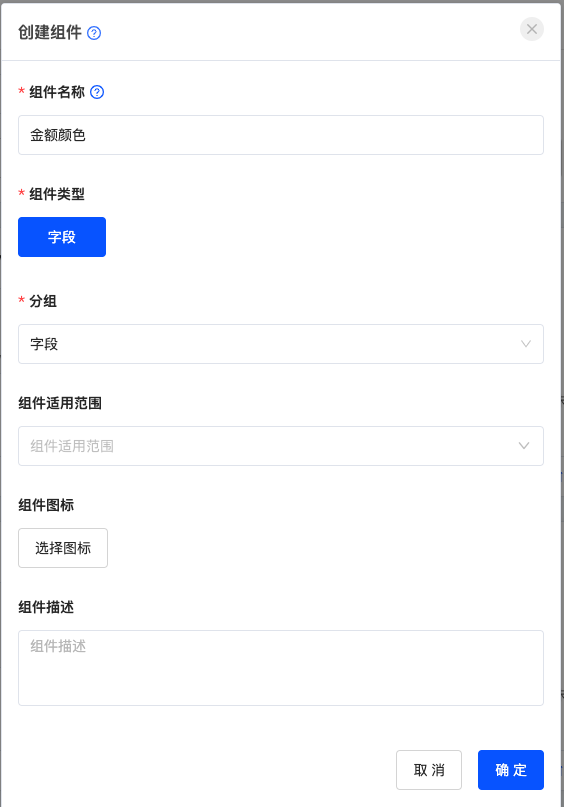
自定义字段样式


2. 创建元件

以表格的「金额字段」为例,创建对应的元件(可根据自己的业务场景调整)。
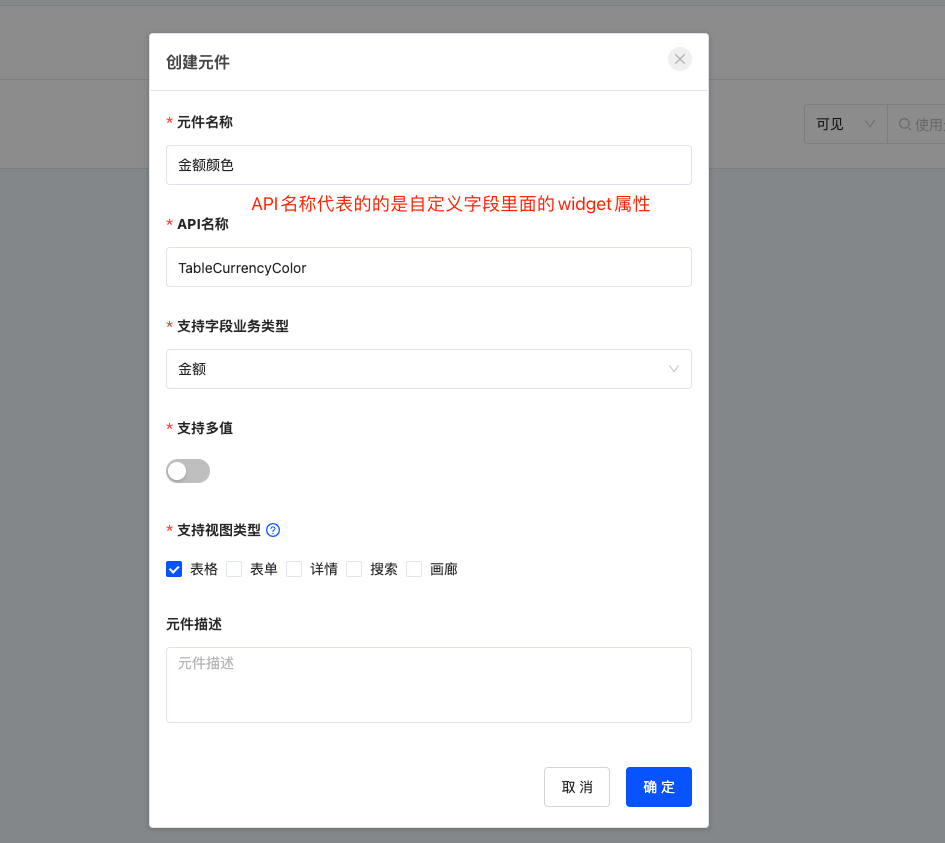
自定义字段样式


3. 配置元件属性

进入元件设计页面,从组件库中拖入「单行文本」到设计区域。在右侧属性面板中填写相关配置并保存
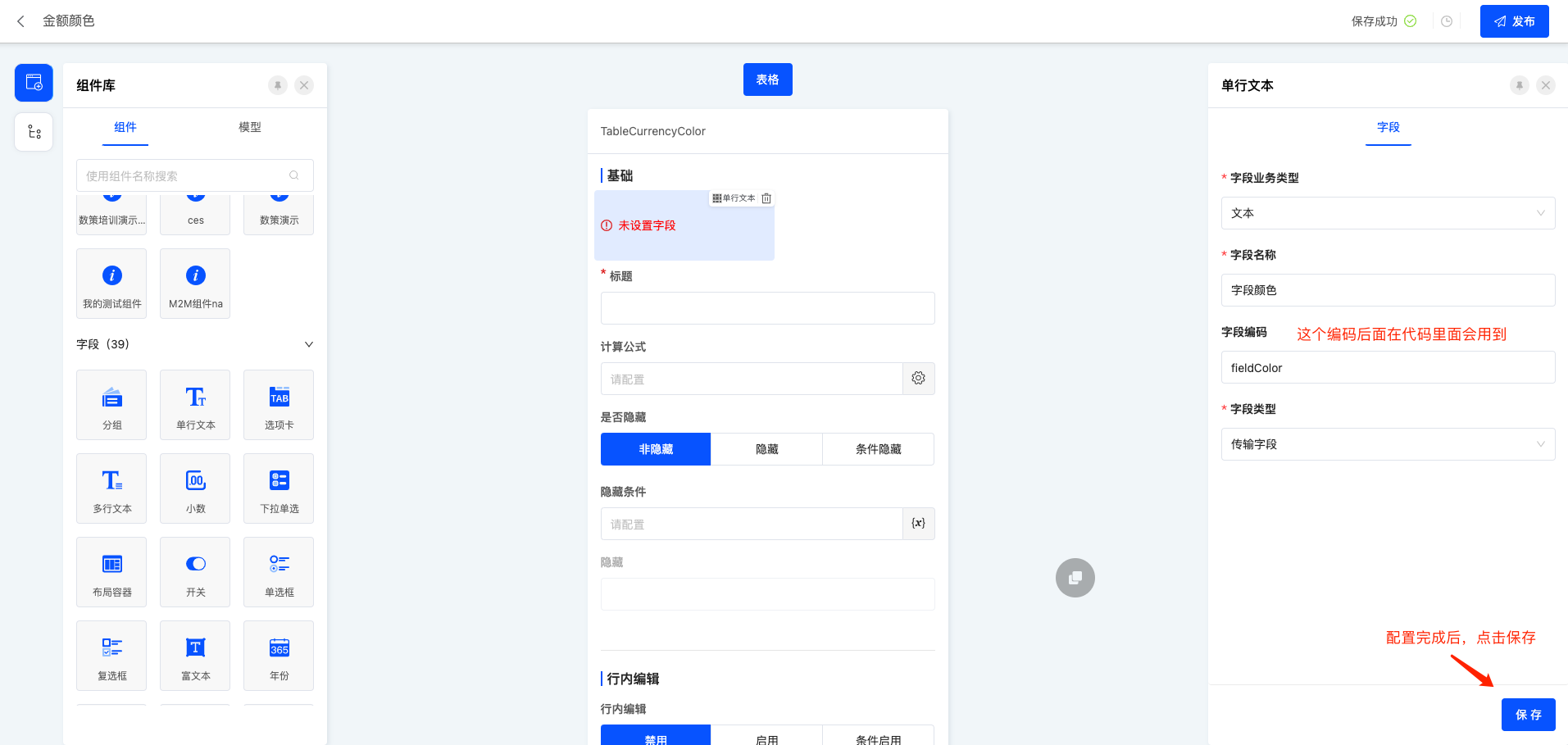
自定义字段样式


4. 保存元件

完成配置后,保存元件。


5. 发布元件

将元件发布,供页面设计使用。


6. 切换表格字段

进入页面设计器,将表格中的字段切换为刚刚创建的元件。
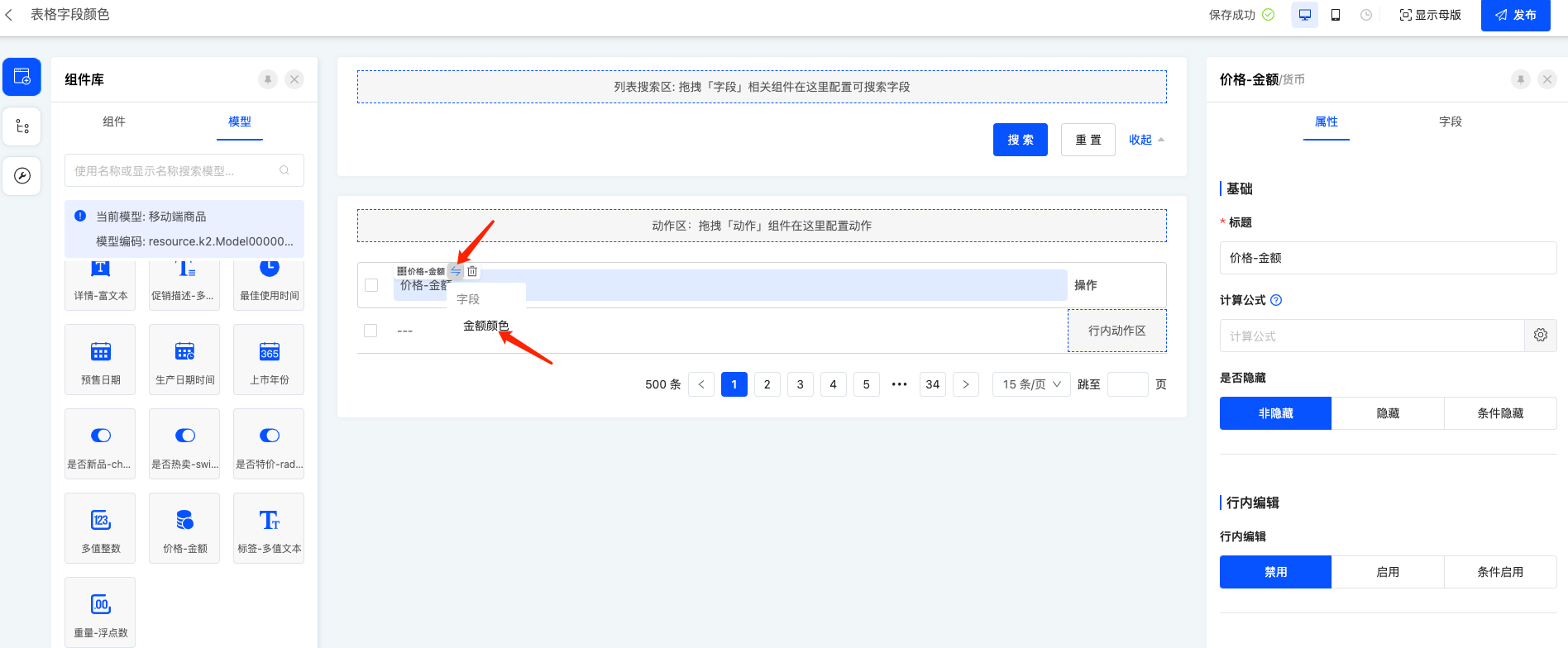
自定义字段样式


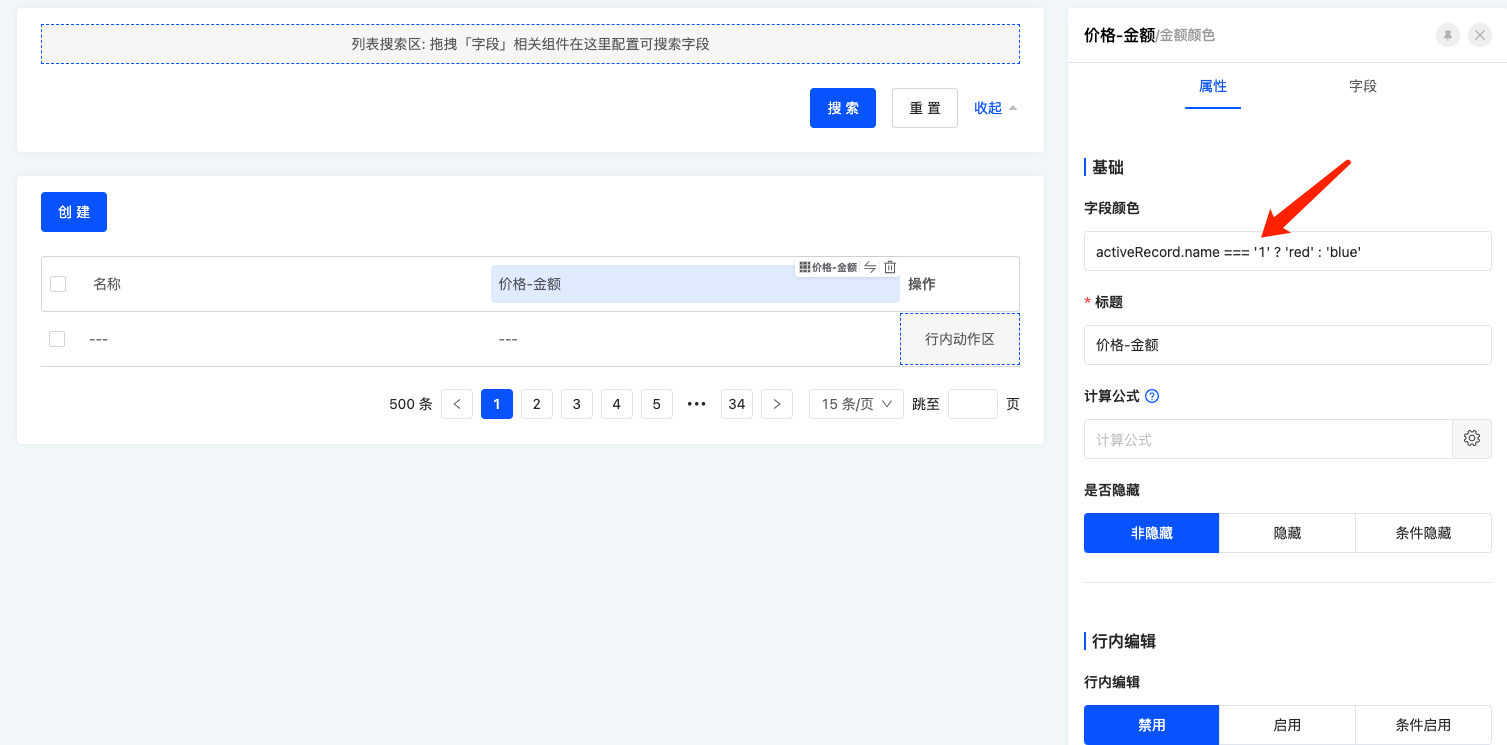
7. 配置字段颜色

在右侧属性面板中,配置字段的文字颜色:

  • 固定颜色:直接输入颜色值(如 red)。
  • 动态颜色:输入表达式,根据业务逻辑动态展示颜色。例如:当前行的名称等于 1 时显示红色,否则为蓝色。

示例表达式:

activeRecord.name === '1' ? 'red' : 'blue'
自定义字段样式


8: 在代码中,自定义对应的表格字段

import {
  SPI,
  BaseFieldWidget,
  ModelFieldType,
  ViewType,
  TableCurrencyFieldWidget,
  Widget,
  RowContext,
  numberZeroFill,
  numberAddThousandth,
  Expression,
  ExpressionRunParam
} from '@kunlun/dependencies';
import { toString } from 'lodash-es';
import { createVNode, VNode } from 'vue';

@SPI.ClassFactory(
  BaseFieldWidget.Token({
    viewType: [ViewType.Table],
    ttype: [ModelFieldType.Currency],
    widget: 'TableCurrencyColor'
  })
)
export class TableCustomCurrencyFieldWidget extends TableCurrencyFieldWidget {
  computedFieldColor(context: RowContext) {
    const { fieldColor = ' ' } = this.getDsl();

    if (!fieldColor) {
      return null;
    }

    // 如果当前颜色是表达式,则需要计算
    if (Expression.hasKeywords(fieldColor)) {
      const params: ExpressionRunParam = {
        activeRecords: [context.data],
        rootRecord: {},
        openerRecord: {},
        scene: ''
      };

      return Expression.run(params, fieldColor, fieldColor)!;
    }

    return fieldColor;
  }

  @Widget.Method()
  public renderDefaultSlot(context: RowContext): VNode[] | string {
    let value = numberZeroFill(toString(super.compute(context)), this.getPrecision(context));
    if (this.getShowThousandth(context)) {
      value = numberAddThousandth(value);
    }

    return [
      createVNode(
        'div',
        {
          style: {
            color: this.computedFieldColor(context)
          }
        },
        value
      )
    ];
  }
}

9: 页面效果图

自定义字段样式

Oinone社区 作者:汤乾华原创文章,如若转载,请注明出处:https://doc.oinone.top/other/20257.html

访问Oinone官网:https://www.oinone.top获取数式Oinone低代码应用平台体验

(0)
汤乾华的头像汤乾华数式员工
上一篇 2025年1月8日 am10:30
下一篇 2025年1月9日 pm5:12

相关推荐

  • 如何通过业务数据拿到工作流用户任务待办

    在模型里面建一个非存储字段,用来传输工作流用户任务待办ID。。 界面设计器把这个字段拖到列表页里,并在跳转动作上配置上下文参数,把任务待办id传到表单页里。 重写教师模型的queryPage,通过业务数据id查询出每条业务数据的工作流用户任务待办id返回给前端。 @Function.Advanced(displayName = "查询教师列表", type = FunctionTypeEnum.QUERY, category = FunctionCategoryEnum.QUERY_PAGE, managed = true) @Function(openLevel = {FunctionOpenEnum.LOCAL, FunctionOpenEnum.REMOTE, FunctionOpenEnum.API}) public Pagination<Teacher> queryPage(Pagination<Teacher> page, IWrapper<Teacher> queryWrapper) { Pagination<Teacher> teacherPagination = new Teacher().queryPage(page, queryWrapper); List<Teacher> content = teacherPagination.getContent(); if (CollectionUtils.isEmpty(content)) { return teacherPagination; } List<Long> teacherIds = content.stream().map(Teacher::getId).collect(Collectors.toList()); List<WorkflowUserTask> workflowUserTasks = Models.data().queryListByWrapper(Pops.<WorkflowUserTask>lambdaQuery() .from(WorkflowUserTask.MODEL_MODEL) .in(WorkflowUserTask::getNodeDataBizId, teacherIds) .orderByDesc(WorkflowUserTask::getCreateDate) ); if (CollectionUtils.isEmpty(workflowUserTasks)) { return teacherPagination; } Map<Long/*业务id*/, WorkflowUserTask> userTaskMap = workflowUserTasks.stream().collect(Collectors.toMap( WorkflowUserTask::getNodeDataBizId, a -> a, (old, n) -> old) ); for (Teacher teacher : content) { if (userTaskMap.containsKey(teacher.getId())) { teacher.setWorkflowUserTaskId(userTaskMap.get(teacher.getId()).getId()); } } return teacherPagination; } 查看效果,任务待办id成功传到表单里面。

    2025年1月10日
    1.9K00
  • 前端自定义组件之锚点分组

    本文将讲解如何通过自定义,实现锚点组件。这个锚点组件会根据界面设计器拖入的分组,动态解析出锚点。 实现路径 整体的实现思路是界面设计器拖个容器类的组件(这里以选项卡为例),自定义这个选项卡,往选项卡里拖拽的每个分组,每个锚点的名称是分组的标题。 1. 界面设计器拖出页面 我们界面设计器拖个选项卡组件,然后在选项页里拖拽任意多个分组。完成后点击右上角九宫格,选中选项卡,填入组件 api 名称,作用是把选项卡切换成我们自定义的锚点分组组件,这里的 api 名称和自定义组件的 widget 对应。最后发布页面,并绑定菜单。 2. 组件实现 widget 组件重写了选项卡,核心函数 renderGroups,通过 DslRender.render 方法渲染界面设计器拖拽的分组。 import { BasePackWidget, DslDefinition, DslRender, SPI, Widget } from '@oinone/kunlun-dependencies'; import TabsParseGroup from './TabsParseGroup.vue'; function fetchGroupChildren(widgets?: DslDefinition[], level = 1): DslDefinition[] { if (!widgets) { return []; } const children: DslDefinition[] = []; for (const widget of widgets) { if (widget.widget === 'group') { children.push(widget); } else if (level >= 1) { fetchGroupChildren(widget.widgets, level – 1).forEach((child) => children.push(child)); } } return children; } @SPI.ClassFactory( BasePackWidget.Token({ widget: 'TabsParseGroup' }) ) export class TabsParseGroupWidget extends BasePackWidget { public initialize(props) { super.initialize(props); this.setComponent(TabsParseGroup); return this; } // 获取分组的子元素 public get groupChildren(): DslDefinition[] { return fetchGroupChildren(this.template?.widgets); } @Widget.Reactive() public get groupTitles() { return this.groupChildren.map((group) => group.title); } // 根据容器子元素渲染左侧 @Widget.Method() public renderGroups() { if (this.groupChildren && this.groupChildren.length) { return this.groupChildren.map((group) => DslRender.render(group)); } } } vue组件核心内容是用component :is属性,渲染出配置的分组组件 <template> <div class="TabsParseGroup"> <a-anchor :affix="false"> <a-anchor-link v-for="(item, index) in groupTitles" :href="`#default-group-${index}`" :title="item" /> </a-anchor> <div v-for="(item, index) in groupComponents" :id="`default-group-${index}`"> <component :is="item" /> </div> </div> </template> <script lang="ts"> import { computed, defineComponent, PropType } from 'vue'; export default…

    2025年7月8日
    32800
  • 如何使用源码的方式配置表达式

    自定义占位符定义表达式 数据权限定义表达式: ${thisTeacherName} 界面设计器查询条件定义:$#{thisTeacherName}需要加上#号 以上配置都可以通过查看queryWrapper里面的originRsql查看占位符是否被正确替换。 显隐、过滤条件表达式定义 显隐、过滤都可以加载字段注解里以及xml定义里 显隐: invisible="$!{activeRecord.deadline}" / invisible = true @Field.String @Field(displayName = "视图/页面", invisible = true) private String viewName; 过滤。 domain = " code == ${activeRecord.id} " / domain = "code == '111' " @Field.one2many @Field(displayName = "子订单列表", summary = "子订单列表") @Field.Relation(relationFields = {"code"}, referenceFields = {"code"}, domain = "code != '1234'") private List<ChildOrder> orderList; 更多获取视图数据的写法参考文章上下文在字段和动作中的应用 rsql表达式定义 参考:oinone的rsql与传统sql语法对照表

    2025年3月13日
    76600
  • 打印支持非存储数据导出

    介绍 平台提供的默认打印功能没有支持非存储数据的导出。我们可以自定义打印导出功能,以满足业务中个性化的需求。 实现思路 重写打印任务模型,添加业务数据字段 自定义打印动作,前端将导出数据放到业务数据字段中 使用导出数据扩展点机制修改导出数据 代码示例 继承平台的打印任务模型,加上需要业务数据字段,这个字段用于传输需要打印的表单数据,但是需要自定义打印的表单往往不止一个,所以需要定义为通用的Object字段。 @Model.model(TransientPdfPrintTask.MODEL_MODEL) @Model(displayName = "传输模型Pdf打印任务") public class TransientPdfPrintTask extends PdfPrintTask { public static final String MODEL_MODEL="demo.TransientPdfPrintTask"; @Field(displayName = "业务数据") private Object businessData; } 自定义打印动作 @Model.model(TransientPdfPrintTask.MODEL_MODEL) @Component public class TransientPdfPrintTaskAction extends AbstractPdfPrintTaskAction<TransientPdfPrintTask> { @Resource private PdfFileService pdfFileService; @Action(displayName = "打印", contextType = ActionContextTypeEnum.CONTEXT_FREE, bindingType = {ViewTypeEnum.TABLE}) @Override public TransientPdfPrintTask createPrintTask(TransientPdfPrintTask data) { return super.createPrintTask(data); } @Override protected void doExport(TransientPdfPrintTask exportTask, PdfDefinitionContext context) { pdfFileService.doExportSync(exportTask, context); } @Function.Advanced(type = FunctionTypeEnum.QUERY) @Function(openLevel = FunctionOpenEnum.API) public TransientPdfPrintTask construct(TransientPdfPrintTask data) { String model = FetchUtil.fetchVariables(PdfConstants.MODEL); data.construct(); data.setModel(model); return data; } } 本篇文章只介绍同步打印,如果异步需要修改doExport方法。 编写导出的数据处理逻辑 @Ext(PdfPrintTask.class) public class PrintExportExt extends AbstractPdfExportFetchDataExtPointImpl implements PdfExportFetchDataExtPoint { // 这里使用扩展点表达式匹配需要打印的非存储模型,只有表达式为true才会走这段逻辑。 @Override @ExtPoint.Implement(expression = "context.model==\"" + ProductPricingClientTransient.MODEL_MODEL + "\"") public List<Object> fetchExportData(PdfPrintTask exportTask, PdfDefinitionContext context) { List<Object> result = new ArrayList<>(); List<Object> dataList = new ArrayList<>(); TransientPdfPrintTask transientPdfPrintTask = new TransientPdfPrintTask(); transientPdfPrintTask.set_d(exportTask.get_d()); dataList.add(transientPdfPrintTask.getBusinessData()); result.add(dataList); return result; } } 前端自定义打印按钮,将数据提交给业务数据字段,并使用同步导出打印。

    2025年10月13日
    55500
  • 如何实现业务表格跳转页面设计器设计器页面

    后端实现 代理继承界面设计器视图模型 @Model.model(MyView.MODEL_MODEL) @Model(displayName = "视图代理") @Model.Advanced(type = ModelTypeEnum.PROXY) public class MyView extends UiDesignerViewProxy { public static final String MODEL_MODEL = "hr.simple.MyView"; @Field.Integer @Field(displayName = "页面布局ID") private Long uiDesignerViewLayoutId; } 重写查询接口,返回页面布局ID,重写创建接口,实现创建页面逻辑。 package pro.shushi.pamirs.top.core.action; import org.apache.commons.collections4.CollectionUtils; import org.springframework.beans.factory.annotation.Autowired; import org.springframework.stereotype.Component; import pro.shushi.pamirs.boot.base.constants.ViewConstants; import pro.shushi.pamirs.boot.base.enmu.ActionTargetEnum; import pro.shushi.pamirs.boot.base.ux.annotation.action.UxAction; import pro.shushi.pamirs.boot.base.ux.annotation.action.UxRoute; import pro.shushi.pamirs.boot.base.ux.annotation.button.UxRouteButton; import pro.shushi.pamirs.framework.connectors.data.sql.Pops; import pro.shushi.pamirs.framework.connectors.data.sql.query.LambdaQueryWrapper; import pro.shushi.pamirs.meta.annotation.Action; import pro.shushi.pamirs.meta.annotation.Function; import pro.shushi.pamirs.meta.annotation.Model; import pro.shushi.pamirs.meta.api.dto.condition.Pagination; import pro.shushi.pamirs.meta.api.dto.wrapper.IWrapper; import pro.shushi.pamirs.meta.api.session.PamirsSession; import pro.shushi.pamirs.meta.constant.FunctionConstants; import pro.shushi.pamirs.meta.enmu.*; import pro.shushi.pamirs.top.api.model.MyView; import pro.shushi.pamirs.ui.designer.api.designe.UiDesignerViewLayoutService; import pro.shushi.pamirs.ui.designer.model.UiDesignerViewLayout; import pro.shushi.pamirs.ui.designer.pmodel.UiDesignerViewLayoutProxy; import java.util.List; import java.util.Map; import java.util.stream.Collectors; /** * @author Yexiu at 20:39 on 2025/3/27 */ @Component @Model.model(MyView.MODEL_MODEL) public class MyViewAction { @Autowired private UiDesignerViewLayoutService uiDesignerViewLayoutService; @Action.Advanced(name = FunctionConstants.create, managed = true) @Action(displayName = "创建", summary = "添加", bindingType = ViewTypeEnum.FORM) @Function(name = FunctionConstants.create) @Function.fun(FunctionConstants.create) public MyView create(MyView data) { UiDesignerViewLayoutProxy uiDesignerViewLayoutProxy = new UiDesignerViewLayoutProxy(); uiDesignerViewLayoutProxy.setBizType(data.getBizType()); uiDesignerViewLayoutProxy.setDesignerActionBarType(data.getDesignerActionBarType()); uiDesignerViewLayoutProxy.setViewType(data.getType()); uiDesignerViewLayoutProxy.setModel(data.getModel()); uiDesignerViewLayoutProxy.setModule(PamirsSession.getServApp()); uiDesignerViewLayoutProxy.setViewTitle(data.getTitle()); uiDesignerViewLayoutProxy.setUsingDefaultView(data.getLoadLayout()); UiDesignerViewLayoutProxy saveUiDesigner = uiDesignerViewLayoutService.create(uiDesignerViewLayoutProxy); data.setDesignerViewId(saveUiDesigner.getId()); return data; } @Function.Advanced(type = FunctionTypeEnum.QUERY, displayName = "查询列表") @Function.fun(FunctionConstants.queryPage) @Function(openLevel = {FunctionOpenEnum.API, FunctionOpenEnum.LOCAL}) public Pagination<MyView> queryPage(Pagination<MyView> page, IWrapper<MyView> queryWrapper) { LambdaQueryWrapper<MyView> wrapper = Pops.<MyView>lambdaQuery().from(MyView.MODEL_MODEL) .eq(MyView::getSys, Boolean.FALSE) .eq(MyView::getSystemSource, SystemSourceEnum.UI); Pagination<MyView> myViewPagination = new MyView().queryPage(page, wrapper); List<MyView> content…

    2025年3月31日
    43400

Leave a Reply

登录后才能评论