
多模型联表查询

多模型联表查询

  • 多对一或者一对一关联关系,通过关联模型的字段查询数据

模型结构定义

模型A

@Model(displayName = "A")
@Model.model(A.MODEL_MODEL)
public class A extends IdModel {
    public final static String MODEL_MODEL = "test.A";

    @Field(displayName = "b")
    @Field.many2one
    @Field.Relation(relationFields = {"bId"}, referenceFields = {"id"})
    private B b;

    @Field(displayName = "bId")
    @Field.Integer
    private Long bId;

    @Field(displayName = "B审批状态")
    @Field.Enum
    @Field.Related(related = {"b", "approvalEnum"})
    private ApprovalEnum approvalEnum;
}

模型B

@Model(displayName = "B")
@Model.model(B.MODEL_MODEL)
public class B extends IdModel {
      public final static String MODEL_MODEL = "test.B";

    @Field(displayName = "审批状态")
    @Field.Enum
    private ApprovalEnum approvalEnum;
}

页面设计

在界面设计器中, 设计相对应的表格页面。 A模型related字段拖到搜索栏中。
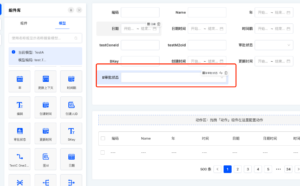
多模型联表查询

发布页面

自定义Hook

import cz.jirutka.rsql.parser.ast.RSQLOperators;
import org.apache.commons.lang3.ArrayUtils;
import org.springframework.stereotype.Component;
import pro.shushi.pamirs.framework.connectors.data.sql.AbstractWrapper;
import pro.shushi.pamirs.framework.connectors.data.sql.query.QueryWrapper;
import pro.shushi.pamirs.meta.annotation.Hook;
import pro.shushi.pamirs.meta.api.Models;
import pro.shushi.pamirs.meta.api.core.faas.HookBefore;
import pro.shushi.pamirs.meta.api.core.orm.convert.ClientDataConverter;
import pro.shushi.pamirs.meta.api.core.orm.template.context.ModelComputeContext;
import pro.shushi.pamirs.meta.api.dto.config.ModelConfig;
import pro.shushi.pamirs.meta.api.dto.config.ModelFieldConfig;
import pro.shushi.pamirs.meta.api.dto.fun.Function;
import pro.shushi.pamirs.meta.api.session.PamirsSession;
import pro.shushi.pamirs.meta.base.D;
import pro.shushi.pamirs.meta.common.spi.Spider;
import pro.shushi.pamirs.meta.domain.model.ModelField;
import pro.shushi.pamirs.meta.enmu.TtypeEnum;
import pro.shushi.pamirs.resource.api.constants.FieldConstants;

import java.util.ArrayList;
import java.util.HashMap;
import java.util.List;
import java.util.Map;
import java.util.stream.Collectors;

/**
 * 通用 queryData处理。
 */
@Slf4j
@Component
public class QueryDataHook implements HookBefore {

    @Override
    @Hook(priority = 30)
    public Object run(Function function, Object... args) {

        getValueByType(args);

        return function;
    }

    private void getValueByType(Object... args) {

        if (ArrayUtils.isEmpty(args)) {
            return;
        }

        for (int index = 0; index < args.length && null != args[index]; ++index) {
            if (args[index] instanceof AbstractWrapper) {
                AbstractWrapper<?, ?, ?> wrapper = (AbstractWrapper<?, ?, ?>) args[index];
                Map<String, Object> queryData = wrapper.getQueryData();
                if (null == queryData) {
                    continue;
                }
                //有非存储字段
                ModelConfig modelConfig = PamirsSession.getContext().getModelConfig(wrapper.getModel());
                List<ModelFieldConfig> modelFieldConfigs = modelConfig.getModelFieldConfigList();
                Map<String, ModelField> modelFieldMap = new HashMap<>();
                for (ModelFieldConfig modelFieldConfig : modelFieldConfigs) {
                    modelFieldMap.put(modelFieldConfig.getField(), modelFieldConfig.getModelField());
                }
                for (Map.Entry<String, Object> entry : queryData.entrySet()) {
                    String key = entry.getKey();
                    ModelField field = modelFieldMap.get(key);
                    if (field != null && TtypeEnum.isRelatedType(field.getTtype().value())) {
                        //非存储字段是related字段
                        List<String> relateds = field.getRelated();
                        if (relateds != null && relateds.size() == 2) {
                            ModelField reletedField = modelFieldMap.get(relateds.get(0));
                            if (reletedField != null && TtypeEnum.isRelationType(reletedField.getTtype())) {
                                //是关系字段
                                String reletedModelQueryField = relateds.get(1);
                                String referenceModel = reletedField.getReferences();
                                ModelFieldConfig relatedFieldCfg = PamirsSession.getContext().getModelField(referenceModel, reletedModelQueryField);
                                Map<String, Object> relationMap = new HashMap<>();
                                Object value = entry.getValue();
                                relationMap.put(relatedFieldCfg.getField(), value);
                                relationMap.put(FieldConstants._dFieldName, referenceModel);
                                Object relationObj = Spider.getDefaultExtension(ClientDataConverter.class).in(new ModelComputeContext(), referenceModel, relationMap);
                                if (relationObj instanceof D) {
                                    relationMap = ((D) relationObj).get_d();
                                } else {
                                    relationMap = (Map<String, Object>) relationObj;
                                }

                                String column = relatedFieldCfg.getColumn();
                                QueryWrapper<D> wrapper1 = new QueryWrapper<D>();
                                wrapper1.from(referenceModel);
                                wrapper1.eq(column, relationMap.get(relatedFieldCfg.getField()));
                                List<D> values = Models.data().queryListByWrapper(wrapper1);
                                List<String> referenceFields = reletedField.getReferenceFields();

                                StringBuilder rsqlBuilder = new StringBuilder(wrapper.getRsql());
                                for (String refField : referenceFields) {
                                    List<Object> list = new ArrayList<>();
                                    for (D d : values) {
                                        Object v = d.get_d().get(refField);
                                        if (null != v) {
                                            list.add(v);
                                        }
                                    }

                                    if (CollectionUtils.isNotEmpty(list)) {

                                        if (CollectionUtils.size(list) > 10000) {
                                            log.warn("查询数量过多,请自定义查询逻辑,例如使用联表");
                                        }

                                        String vv = list.stream().map(String::valueOf).collect(Collectors.joining(","));

                                        rsqlBuilder.append(" and ")
                                                .append(reletedField.getRelationFields().get(0)).append(RSQLOperators.IN.getSymbol()).append("(").append(vv).append(")")
                                        ;
                                    } else {
                                        rsqlBuilder.append(" and (1!=1)");
                                    }

                                }
                                wrapper.setRsql(rsqlBuilder.toString());
                            }

                        }
                    }
                }
                break;
            }
        }
    }
}

Oinone社区 作者:yakir原创文章,如若转载,请注明出处:https://doc.oinone.top/backend/20267.html

访问Oinone官网:https://www.oinone.top获取数式Oinone低代码应用平台体验

Like (0)
yakir's avataryakir数式员工
Previous 2025年1月9日 pm4:51
Next 2025年1月9日 pm8:38

相关推荐

  • 如何把平台功能菜单加到项目中?

    概述 在使用Oinone低代码平台进行项目开发的过程中,会存在把平台默认提供的菜单加到自己的项目中。这篇文章介绍实现方式,以角色管理为例。 1. 低代码情况 即项目是通过后端代码初始化菜单的方式。 通常在 XXXMenu.java类通过@UxMenu注解的方式,代码片段如下: 此种情况与添加项目本地的菜单无区别,具体代码: @UxMenu(value = "账号管理", icon = "icon-yonghuguanli") class AccountManage { @UxMenu("用户管理") @UxRoute(value = CustomerCompanyUserProxy.MODEL_MODEL, title = "用户管理") class CompanyUserManage { } @UxMenu("角色管理") @UxRoute(value = AuthRole.MODEL_MODEL, module = AdminModule.MODULE_MODULE, title = "角色管理") class RoleManage { } @UxMenu("操作日志") @UxRoute(value = OperationLog.MODEL_MODEL, module = AdminModule.MODULE_MODULE/***菜单所挂载的模块**/) class OperateLog { } } 2. 无代码情况 在界面设计器中,新建菜单–>选择绑定已有页面,进行发布即可。

    2024年4月19日
    1.9K00
  • 【OpenGauss】后端部署使用OpenGauss高斯数据库

    Gauss数据库配置 适配版本 4.7.8.3之后的版本 配置步骤 Maven配置 去华为官网下周驱动包:gsjdbc4.jar;https://support.huaweicloud.com/mgtg-dws/dws_01_0032.html <dependency> <groupId>org.postgresql</groupId> <artifactId>gsjdbc</artifactId> <version>4</version> <scope>system</scope> <!– 下面两种方式都可以–> <systemPath>${pom.basedir}/libs/gsjdbc4.jar</systemPath> <!–<systemPath>/Users/wangxian/java-tools/guassdb/gsjdbc4.jar</systemPath>–> </dependency> 导入 scope 为 system 的包,spring 编译插件需要增加 includeSystemScope: true 配置。 <plugin> <groupId>org.springframework.boot</groupId> <artifactId>spring-boot-maven-plugin</artifactId> <configuration> <includeSystemScope>true</includeSystemScope> </configuration> <executions> <execution> <goals> <goal>repackage</goal> </goals> </execution> </executions> </plugin> JDBC连接配置 pamirs: datasource: pamirs: type: com.alibaba.druid.pool.DruidDataSource driverClassName: org.postgresql.Driver url: jdbc:postgresql://127.0.0.1:5432/pamirs?currentSchema=demo username: XXXXXX password: XXXXXX initialSize: 5 maxActive: 200 minIdle: 5 maxWait: 60000 timeBetweenEvictionRunsMillis: 60000 testWhileIdle: true testOnBorrow: false testOnReturn: false poolPreparedStatements: true asyncInit: true base: type: com.alibaba.druid.pool.DruidDataSource driverClassName: org.postgresql.Driver url: jdbc:postgresql://127.0.0.1:5432/pamirs?currentSchema=demo_base username: XXXXXX password: XXXXXX initialSize: 5 maxActive: 200 minIdle: 5 maxWait: 60000 timeBetweenEvictionRunsMillis: 60000 testWhileIdle: true testOnBorrow: false testOnReturn: false poolPreparedStatements: true asyncInit: true 连接url配置 点击查看官方文档:官方文档 url格式 jdbc:postgresql://${host}:${port}/${database}?currentSchema=${schema} 在pamirs连接配置时,${database}和${schema}必须完整配置,不可缺省。 其他连接参数如需配置,可自行查阅相关资料进行调优。 方言配置 pamirs方言配置 pamirs: dialect: ds: base: type: GaussDB version: 5 majorVersion: 5.0.1 pamirs: type: GaussDB version: 5 majorVersion: 5.0.1 数据库版本 type version majorVersion 5.x GaussDB 5 5.0.1 PS:由于方言开发环境为5.0.1版本,其他类似版本(5.x)原则上不会出现太大差异,如出现其他版本无法正常支持的,可在文档下方留言。 schedule方言配置 pamirs: event: enabled: true schedule: enabled: true dialect: type: GaussDB version: 5 major-version: 5.0.1 type version majorVersion GaussDB 5 5.0.1 PS:由于schedule的方言在多个版本中并无明显差异,目前仅提供一种方言配置。 其他配置 逻辑删除的值配置 pamirs: mapper: global: table-info: logic-delete-value: (EXTRACT(epoch FROM CURRENT_TIMESTAMP) * 1000000 + EXTRACT(MICROSECONDS FROM CURRENT_TIMESTAMP))::bigint Gauss数据库用户初始化及授权 — init root…

    2024年3月27日
    2.6K00
  • 如何使用位运算的数据字典

    场景举例 日常有很多项目,数据库中都有表示“多选状态标识”的字段。在这里用我们项目中的一个例子进行说明一下: 示例一: 表示某个商家是否支持多种会员卡打折(如有金卡、银卡、其他卡等),项目中的以往的做法是:在每条商家记录中为每种会员卡建立一个标志位字段。如图: 用多字段来表示“多选标识”存在一定的缺点:首先这种设置方式很明显不符合数据库设计第一范式,增加了数据冗余和存储空间。再者,当业务发生变化时,不利于灵活调整。比如,增加了一种新的会员卡类型时,需要在数据表中增加一个新的字段,以适应需求的变化。  – 改进设计:标签位flag设计二进制的“位”本来就有表示状态的作用。可以用各个位来分别表示不同种类的会员卡打折支持:这样,“MEMBERCARD”字段仍采用整型。当某个商家支持金卡打折时,则保存“1(0001)”,支持银卡时,则保存“2(0010)”,两种都支持,则保存“3(0011)”。其他类似。表结构如图: 我们在编写SQL语句时,只需要通过“位”的与运算,就能简单的查询出想要数据。通过这样的处理方式既节省存储空间,查询时又简单方便。 //查询支持金卡打折的商家信息:   select * from factory where MEMBERCARD & b'0001'; // 或者:   select * from factory where MEMBERCARD & 1;    // 查询支持银卡打折的商家信息:   select * from factory where MEMBERCARD & b'0010'; // 或者:   select * from factory where MEMBERCARD & 2; 二进制( 位运算)枚举 可以通过@Dict注解设置数据字典的bit属性或者实现BitEnum接口来标识该枚举值为2的次幂。二进制枚举最大的区别在于值的序列化和反序列化方式是不一样的。 位运算的枚举定义示例 import pro.shushi.pamirs.meta.annotation.Dict; import pro.shushi.pamirs.meta.common.enmu.BitEnum; @Dict(dictionary = ClientTypeEnum.DICTIONARY, displayName = "客户端类型枚举", summary = "客户端类型枚举") public enum ClientTypeEnum implements BitEnum { PC(1L, "PC端", "PC端"), MOBILE(1L << 1, "移动端", "移动端"), ; public static final String DICTIONARY = "base.ClientTypeEnum"; private final Long value; private final String displayName; private final String help; ClientTypeEnum(Long value, String displayName, String help) { this.value = value; this.displayName = displayName; this.help = help; } @Override public Long value() { return value; } @Override public String displayName() { return displayName; } @Override public String help() { return help; } } 使用方法示例 API: addTo 和 removeFrom List<ClientTypeEnum> clientTypes = module.getClientTypes(); // addTo ClientTypeEnum.PC.addTo(clientTypes); // removeFrom ClientTypeEnum.PC.removeFrom(clientTypes); 在查询条件中的使用 List<Menu> moduleMenus = new Menu().queryListByWrapper(menuPage, LoaderUtils.authQuery(wrapper).eq(Menu::getClientTypes, ClientTypeEnum.PC));

    2023年11月24日
    2.1K00
  • 自定义用户中心菜单

    使用扩展点实现用户中心菜单替换 1. 工程中引起pamirs-user-api <dependency> <groupId>pro.shushi.pamirs.core</groupId> <artifactId>pamirs-user-api</artifactId> </dependency> 2. 实现TopBarUserBlockAction的后置扩展 实现HookAfter后置扩展接口 @Hook(model = {TopBarUserBlock.MODEL_MODEL}, fun = {"construct"})添加Hook注解注明是TopBarUserBlock模型的construct函数的后置扩展。 增加用户中心菜单 @Component @Order(1) @SPI.Service public class MyTopBarActionExt implements TopBarActionExtendApi { public void edit(List<TopBarAction> list) { list.add(new TopBarAction("top_demo", "top.Teacher", "uiView9a0caf1d574a42c9847a057a0c4a4ad1", ActionTypeEnum.VIEW, 1) .setDisplayName("商品管理") .setIcon("oinone-gongzuotai") ); } } 实现效果 替换原有的用户中心菜单 替换原有的菜单跳转 @Component public class DemoTopBarUserBlockDataHookAfter implements HookAfter { @Override @Hook(model = {TopBarUserBlock.MODEL_MODEL}, fun = {"construct"}) public Object run(Function function, Object ret) { if (ret == null) { return null; } TopBarUserBlock result = null; if (ret instanceof Object[]) { Object[] rets = (Object[]) ((Object[]) ret); if (rets.length == 1) { result = (TopBarUserBlock) rets[0]; //例:替换用户中心:修改密码菜单 //使用name和model查询出模型的ViewAction替换修改密码ViewAction ViewAction demoViewAction = PamirsSession.getContext().getExtendCache(ActionCacheApi.class).get(Dog.MODEL_MODEL, "changePassword"); //设置菜单的icon Map<String, Object> attributes = Optional.ofNullable(demoViewAction.getAttributes()).orElse(new HashMap<>()); attributes.put("icon", "oinone-xiugaimima"); demoViewAction.setAttributes(attributes); //UserViewAction第0个是修改密码ViewAction,使用自定义的ViewAction就可以实现替换 result.getUserViewAction().set(0, demoViewAction); } } else { result = (TopBarUserBlock) ret; } return result; } } 使用@UxRouteButton方式新增ViewAction,更多新增Action方式详见:Action的类型 @Model.model(Dog.MODEL_MODEL) @Component @UxRouteButton( action = @UxAction(name = "changePassword", displayName = "修改密码"), value = @UxRoute(model = Dog.MODEL_MODEL, openType = ActionTargetEnum.DIALOG)) public class DogAction { } 替换原有的个人设置头像跳转 修改点击头像绑定的跳转逻辑 @Order(10) @Component @SPI.Service public class DemoTopBarUserBlockDataApi implements TopBarUserBlockDataApi { @Override public TopBarUserBlock extendData(TopBarUserBlock data) { //例如增加一个菜单, PamirsDemo.MODEL_MODEL: 模型。 MenuuiMenu31f22466735a4abe8e0544b428ed88ac:viewAction的name。 Action demoViewAction =…

    2024年7月4日
    1.9K00
  • 【OceanBase】后端部署使用 OceanBase 数据库(海扬/OB)

    OceanBase 数据库配置 驱动配置 Maven配置(4.2.5.3版本可用) <oceanbase.version>2.4.14</oceanbase.version> <dependency> <groupId>com.oceanbase</groupId> <artifactId>oceanbase-client</artifactId> <version>${oceanbase.version}</version> </dependency> PS: oceanbase 驱动必须使用 2.4.5 版本或以上,低于此版本的驱动无法使用自增ID功能,无法正常启动。点击查看官方JDBC版本发布记录 JDBC连接配置 OceanBase – Oracle 版 pamirs: datasource: base: type: com.alibaba.druid.pool.DruidDataSource driverClassName: com.alipay.oceanbase.jdbc.Driver url: jdbc:oceanbase://10.xxx.xxx.xxx:1001/BASE?useServerPrepStmts=true&useOraclePrepareExecute=true&defaultFetchSize=4096 username: xxxxxx password: xxxxxx validConnectionCheckerClassName: com.alibaba.druid.pool.vendor.OracleValidConnectionChecker validationQuery: SELECT 1 FROM DUAL OceanBase – MySQL 版 pamirs: datasource: base: type: com.alibaba.druid.pool.DruidDataSource driverClassName: com.alipay.oceanbase.jdbc.Driver url: jdbc:oceanbase://10.xxx.xxx.xxx:1001/base username: xxxxxx password: xxxxxx 连接 URL 配置 点击查看官方JDBC连接配置说明 URL 格式(OceanBase – Oracle 版) jdbc:oceanbase://${host}:${port}/${database}?useServerPrepStmts=true&useOraclePrepareExecute=true&defaultFetchSize=4096 在jdbc连接配置时,useServerPrepStmts=true&useOraclePrepareExecute=true 必须配置,否则自增主键无法正常使用。 defaultFetchSize=4096 意味着在使用服务端预处理时,游标每次获取的结果集行数,驱动默认值为 10,在进行大量数据获取时会出现卡顿的现象,因此推荐使用 4096 作为其结果集大小。过大可能会导致 OOM,过小可能还是会出现卡顿,该值需要按实际情况进行配置。 其他连接参数如需配置,可自行查阅相关资料进行调优。 方言配置(OceanBase – Oracle 版) PS:OceanBase – MySQL 版无需配置方言,只需修改数据库连接即可正常使用。 pamirs方言配置 pamirs: dialect: ds: base: type: OceanBase version: 4.2.5.3 major-version: oracle-4.2 pamirs: type: OceanBase version: 4.2.5.3 major-version: oracle-4.2 plus: configuration: jdbc-type-for-null: "NULL" using-model-as-property: true using-statement-handler-dialect: true mapper: batch: collectionCommit default-batch-config: read: 500 write: 100 数据库版本 type version majorVersion 4.2.5.3 OceanBase 4.2.5.3 oracle-4.2 PS:由于方言开发环境为4.2.5.3版本,其他类似版本(4.x)原则上不会出现太大差异,如出现其他版本无法正常支持的,可在文档下方留言。 schedule方言配置 pamirs: event: enabled: true schedule: enabled: true dialect: type: Oracle version: 12.2 major-version: 12c type version majorVersion Oracle 12.2 12c PS:由于 schedule 的方言与 Oracle 数据库并无明显差异,OceanBase 数据库可以直接使用 Oracle 数据库方言。 其他配置(OceanBase – Oracle 版) 逻辑删除的值配置 pamirs: mapper: global: table-info: logic-delete-value: (CAST(SYSTIMESTAMP AS DATE) – TO_DATE('1970-01-01 08:00:00', 'YYYY-MM-DD HH24:MI:SS')) * 8640000000000

    2025年7月21日
    94500

Leave a Reply

Please Login to Comment