
Oinone环境保护(v5.2.3以上)

概述

Oinone平台为合作伙伴提供了环境保护功能,以确保在一套环境可以在较为安全前提下修改配置文件,启动多个JVM等部署操作。

本章内容主要介绍与环境保护功能相关的启动参数。

名词解释

  • 本地开发环境:开发人员在本地启动业务工程的环境
  • 公共环境:包含设计器镜像和业务工程的环境

环境保护参数介绍

【注意】参数是加在程序实参 (Program arguments)上,通常可能错误的加在Active Profiles上了
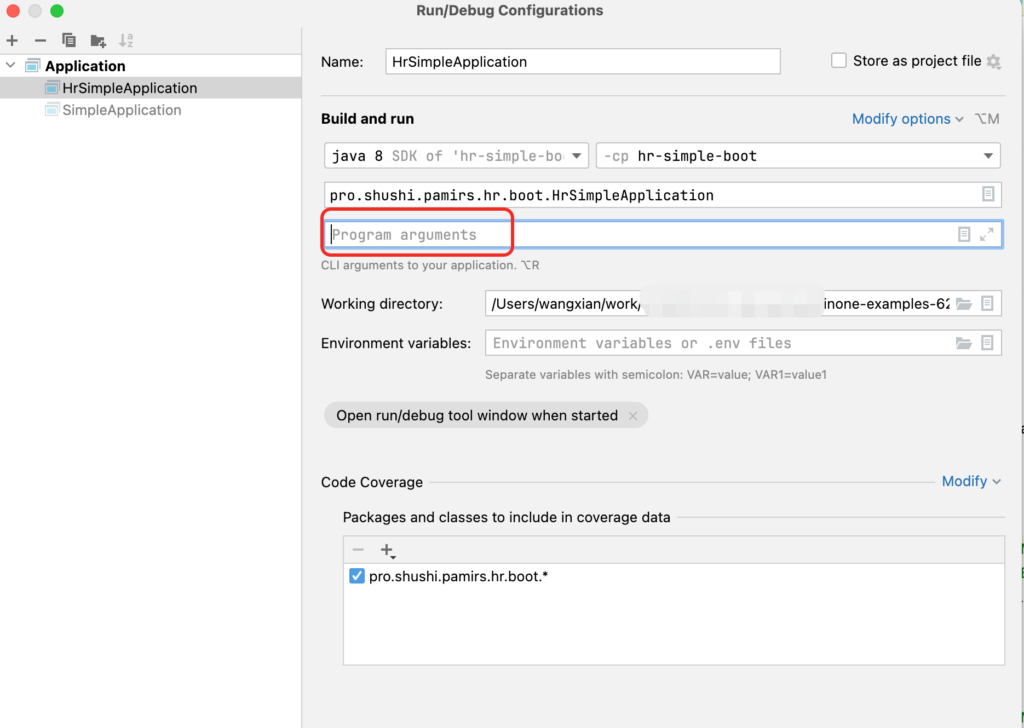
Oinone环境保护(v5.2.3以上)

-PenvProtected=${value}

是否启用环境保护,默认为true

环境保护是通过与最近一次保存在数据库的base_platform_environment表中数据进行比对,并根据每个参数的配置特性进行判断,在启动时将有错误的内容打印在启动日志中,以便于开发者进行问题排查。

除此之外,环境保护功能还提供了一些生产配置的优化建议,开发者可以在启动时关注这些日志,从而对生产环境的配置进行调优。

-PsaveEnvironments=${value}

是否将此次启动的环境参数保存到数据库,默认为true

在某些特殊情况下,为了避免公共环境中的保护参数发生不必要的变化,我们可以选择不保存此次启动时的配置参数到数据库中,这样就不会影响其他JVM启动时发生校验失败而无法启动的问题。

-PstrictProtected=${value}

是否使用严格校验模式,默认为false

通常我们建议在公共环境启用严格校验模式,这样可以最大程度的保护公共环境的元数据不受其他环境干扰。

PS:在启用严格校验模式时,需避免内外网使用不同连接地址的场景。如无法避免,则无法启用严格校验模式。

常见问题

需要迁移数据库,并更换了数据库连接地址该如何操作?

  1. 将原有数据库迁移到新数据库。
  2. 修改配置文件中数据库的连接地址。
  3. 在启动脚本中增加-PenvProtected=false关闭环境保护。
  4. 启动JVM服务可以看到有错误的日志提示,但不会中断本次启动。
  5. 移除启动脚本中的-PenvProtected=false或将值改为true,下次启动时将继续进行环境保护检查。
  6. 可查看数据库中base_platform_environment表中对应数据库连接配置已发生修改,此时若其他JVM在启动前未正确修改,则无法启动。

本地开发时需要修改Redis连接地址到本地,但希望不影响公共环境的使用该如何操作?

PS:由于Redis中的元数据缓存是根据数据库差量进行同步的,此操作会导致公共环境在启动时无法正确刷新Redis中的元数据缓存,需要配合pamirs.distribution.session.allMetaRefresh参数进行操作。如无特殊必要,我们不建议使用该形式进行协同开发,多次修改配置会导致出错的概率增加。

  1. 本地环境首次启动时,除了修改Redis相关配置外,还需要配置pamirs.distribution.session.allMetaRefresh=true,将本地新连接的Redis进行初始化。
  2. 在本地启动时,增加-PenvProtected=false -PsaveEnvironments=false启动参数,以确保本地启动不会修改公共环境的配置,并且可以正常通过环境保护检测。
  3. 本地环境成功启动并正常开发功能后,需要发布到公共环境进行测试时,需要先修改公共环境中业务工程配置pamirs.distribution.session.allMetaRefresh=true后,再启动业务工程。
  4. 启动一次业务工程后,将配置还原为pamirs.distribution.session.allMetaRefresh=false

Oinone社区 作者:张博昊原创文章,如若转载,请注明出处:https://doc.oinone.top/backend/18451.html

访问Oinone官网:https://www.oinone.top获取数式Oinone低代码应用平台体验

Like (0)
张博昊's avatar张博昊数式管理员
Previous 2024年10月21日 pm9:58
Next 2024年10月23日 am9:23

相关推荐

  • 【Excel导入/导出】多Sheet导入导出示例(4.7.x及以上版本)

    代码示例 示例仅供参考 点击下载代码示例 业务场景 准备工作:两个模型,物料(Material)和物料类别(MaterialCategory)。目标:在一个Excel模板中同时导入和导出两个模型的数据。 Material模型 @Model.model(Material.MODEL_MODEL) @Model.Advanced(unique = {"code"}) @Model(displayName = "物料", labelFields = {"name"}) public class Material extends IdModel { private static final long serialVersionUID = -2594216864389636135L; public static final String MODEL_MODEL = "maas.Material"; @Field.String @Field(displayName = "物料编码", required = true) private String code; @Field.String @Field(displayName = "物料名称", required = true) private String name; } MaterialCategory模型 @Model.model(MaterialCategory.MODEL_MODEL) @Model.Advanced(unique = {"code"}) @Model(displayName = "物料类别", labelFields = {"name"}) public class MaterialCategory extends IdModel { private static final long serialVersionUID = 6300896634558908349L; public static final String MODEL_MODEL = "maas.MaterialCategory"; @Field.String @Field(displayName = "类别编码", required = true) private String code; @Field.String @Field(displayName = "类别名称", required = true) private String name; } 模板定义 MaterialTemplate @Component public class MaterialTemplate implements ExcelTemplateInit { public static final String TEMPLATE_NAME = "materialTemplate"; @Override public List<ExcelWorkbookDefinition> generator() { WorkbookDefinitionBuilder builder = WorkbookDefinitionBuilder.newInstance(Material.MODEL_MODEL, TEMPLATE_NAME) .setDisplayName("物料和物料类别") .setEachImport(Boolean.FALSE);//设置importData的入参为 (ExcelImportContext importContext, List<MaterialCategory> data),如入参是单个对象,请删除setEachImport(Boolean.FALSE) createMaterialSheet(builder); createMaterialCategorySheet(builder); return Collections.singletonList(builder.build()); } private static void createMaterialSheet(WorkbookDefinitionBuilder builder) { builder.createSheet().setName("物料") .createBlock(Material.MODEL_MODEL, ExcelAnalysisTypeEnum.FIXED_HEADER, ExcelDirectionEnum.HORIZONTAL, "A1:B2") .createHeader().setStyleBuilder(ExcelHelper.createDefaultStyle()).setIsConfig(Boolean.TRUE) .createCell().setField("code").setAutoSizeColumn(Boolean.TRUE).and() .createCell().setField("name").setAutoSizeColumn(Boolean.TRUE).and() .and() .createHeader().setStyleBuilder(ExcelHelper.createDefaultStyle(v -> v.setBold(Boolean.TRUE)).setHorizontalAlignment(ExcelHorizontalAlignmentEnum.CENTER)) .createCell().setValue("物料编码").and() .createCell().setValue("物料名称"); } private static void createMaterialCategorySheet(WorkbookDefinitionBuilder builder) { builder.createSheet().setName("物料类别") .createBlock(MaterialCategory.MODEL_MODEL, ExcelAnalysisTypeEnum.FIXED_HEADER, ExcelDirectionEnum.HORIZONTAL, "A1:B2") .createHeader().setStyleBuilder(ExcelHelper.createDefaultStyle()).setIsConfig(Boolean.TRUE) .createCell().setField("code").setAutoSizeColumn(Boolean.TRUE).and()…

    2024年4月23日
    1.3K00
  • 如何选择适合的模型类型?

    介绍 通过Oinone 7天从入门到精通的模型的类型章节我们可以知道模型有抽象模型、存储模型、代理模型、传输模型这四种。但是在在定义模型的时候我们可能不知道该如何选择类型,下面结合业务场景为大家讲解几种模型的典型使用场景。 抽象模型 抽象模型往往是提供公共能力和字段的模型,它本身不会直接用于构建协议和基础设施(如表结构等)。 场景:猫、鸟都继承自动物这个抽象模型 package pro.shushi.pamirs.demo.api.model; import pro.shushi.pamirs.meta.annotation.Field; import pro.shushi.pamirs.meta.annotation.Model; import pro.shushi.pamirs.meta.annotation.sys.Base; import pro.shushi.pamirs.meta.base.IdModel; import pro.shushi.pamirs.meta.enmu.ModelTypeEnum; @Base @Model.model(AbstractAnimal.MODEL_MODEL) @Model.Advanced(type = ModelTypeEnum.ABSTRACT) @Model(displayName = "动物") public abstract class AbstractAnimal extends IdModel { public static final String MODEL_MODEL = "demo.AbstractAnimal"; @Field.String @Field(displayName = "名称") private String name; @Field.String @Field(displayName = "颜色") private String color; } package pro.shushi.pamirs.demo.api.model; import pro.shushi.pamirs.meta.annotation.Field; import pro.shushi.pamirs.meta.annotation.Model; @Model.model(Cat.MODEL_MODEL) @Model(displayName = "猫") public class Cat extends AbstractAnimal { private static final long serialVersionUID = -5104390780952634397L; public static final String MODEL_MODEL = "demo.Cat"; @Field.Integer @Field(displayName = "尾巴长度") private Integer tailLength; } package pro.shushi.pamirs.demo.api.model; import pro.shushi.pamirs.meta.annotation.Field; import pro.shushi.pamirs.meta.annotation.Model; @Model.model(Bird.MODEL_MODEL) @Model(displayName = "鸟") public class Bird extends AbstractAnimal { private static final long serialVersionUID = -5144390780952634397L; public static final String MODEL_MODEL = "demo.Bird"; @Field.Integer @Field(displayName = "翼展宽度") private Integer wingSpanWidth; } 存储模型 存储模型用于定义数据表结构和数据的增删改查(数据管理器)功能,是直接与连接器进行交互的数据容器。 场景:存储模型对应传统开发模式中的数据表,上面例子中的Cat和Birdd都属于传输模型,由于模型定义的注解@Model.Advanced(type = ModelTypeEnum.STORE)默认值就是存储模型,所以一般不用手动指定 代理模型 代理模型是用于代理存储模型的数据管理器能力,同时又可以扩展出非存储数据信息的交互功能的模型。 场景一:隔离数据权限 场景二:增强列表的搜索项 场景三:导入导出的时候增加其他特殊信息 场景四:重写下拉组件的查询逻辑做数据过滤 传输模型 传输模型不会在数据库生成的表,只是作为数据的传输使用,跟传统开发模式中的DTO有一点相似。 场景一:批量处理数据 场景二:处理一些跟数据表无关的操作,如:清理指定业务的缓存、查看一些系统监控信息,可以根据业务信息建立对应的传输模型,在传输模型上创建action动作 场景三:通过传输模型完成复杂页面数据传输

    2024年4月7日
    1.7K00
  • 如何发送邮箱、手机短信以及设置

    1.邮件发送 1.1 邮件服务设置 1.1.1 方法一:通过yaml文件配置 pamirs: email: smtp: smtpHost: smtp.exmail.qq.com smtpUser: xxx@xxx.com smtpPassword: xxxxxx smtpPort: 465 smtpSecurity: SSL #邮件模块可后续后台自行添加 templates: – name: 邮箱注册邮件 title: '${code}是你此次注册的验证码' body: '<div>Hi ${realname},</div><div>你正在使用验证码注册。</div>' 1.1.2 方法二:工程启动加入初始化设置方法 /** * 初始化邮件模板 */ private void initEmailTemplate(){ EmailSenderSource emailSenderSource = new EmailSenderSource(); emailSenderSource.setName("邮件发送服务"); emailSenderSource.setType(MessageEngineTypeEnum.EMAIL_SEND); //优先级 emailSenderSource.setSequence(10); //发送账号 emailSenderSource.setSmtpUser("xxx@xxx.com"); //发送密码 emailSenderSource.setSmtpPassword("xxxxxx"); //发送服务器地址和端口 emailSenderSource.setSmtpHost("smtp.exmail.qq.com"); emailSenderSource.setSmtpPort(465); //" None: SMTP 对话用明文完成。" + //" TLS (STARTTLS): SMTP对话的开始时要求TLS 加密 (建议)" + //" SSL/TLS: SMTP对话通过专用端口用 SSL/TLS 加密 (默认是: 465)") emailSenderSource.setSmtpSecurity(EmailSendSecurityEnum.SSL); emailSenderSource.setActive(true); emailSenderSource.createOrUpdate(); List<EmailTemplate> templates = new ArrayList<>(); templates.add(new EmailTemplate().setName("重置密码邮件模板").setTitle("请确认你的密码修改请求").setBody("<div>Hi ${realname},</div><div>你正在使用验证码注册。</div>").setModel(PamirsUser.MODEL_MODEL).setEmailSenderSource(emailSenderSource)); new EmailTemplate().createOrUpdateBatch(templates); } 1.2 调用邮件发送组件发送邮件 /** * 代码中使用消息组件发送Email */ public void sendEmailByTemplate(){ try { EmailSender emailSender = (EmailSender) MessageEngine.get(MessageEngineTypeEnum.EMAIL_SEND).get(null);; EmailTemplate template = new EmailTemplate().setName("邮件模版名称").queryOne(); //标题:${name} //内容:${fieldInt}次数 String sendTo = "xxx@xxx.com"; String copyTo = "yyy@yyy.com"; Map<String, Object> objectData = new HashMap<>(); objectData.put("name","张三"); objectData.put("fieldInt",999); Boolean aBoolean = emailSender.send(template, objectData, sendTo, copyTo); if (null == aBoolean || !aBoolean) { log.error("发送邮件失败"); } } catch (Exception e) { log.error("发送确认邮件失败:,异常:{}", e); } } 2.发送短信 2.1 短信通道设置 2.1.1 方法一:通过yaml文件配置 pamirs: sms: aliyun: signatureMethod: HMAC-SHA1 endpoint: https://dysmsapi.aliyuncs.com version: '2017-05-25' accessKeyId: xxxxxxxxxxxxx signatureVersion: '1.0' accessKeySecret: xxxxxxxxxxxx regionId: cn-hangzhou timeZone: GMT signName: xxxxxx 2.1.2 方法二:工程启动加入初始化设置方法 private void…

    后端 2023年11月6日
    1.9K00
  • 框架之MessageHub(信息提示)

    框架之信息概述 后端除了可以返回错误信息以外,还可以返回调试、告警、成功、信息等级别的信息给前端。但是默认情况下前端只提示错误信息,可以通过前端的统一配置放开提示级别,有点类似后端的日志级别。 框架之MessageHub 在oinone平台中,我们怎么做到友好的错误提示呢?接下来介绍我们的MessageHub,它为自定义错误提示提供无限的可能。 何时使用 错误提示是用户体验中特别重要的组成部分,大部分的错误体现在整页级别,字段级别,按钮级别。友好的错误提示应该是怎么样的呢?我们假设他是这样的 与用户操作精密契合 当字段输入异常时,错误展示在错误框底部 按钮触发服务时异常,错误展示在按钮底部 区分不同的类型 错误 成功 警告 提示 调试 简洁易懂的错误信息 不同信息类型的举例 package pro.shushi.pamirs.demo.core.action; import org.springframework.stereotype.Component; import pro.shushi.pamirs.demo.api.model.PetCatItem; import pro.shushi.pamirs.demo.api.model.PetType; import pro.shushi.pamirs.meta.annotation.Action; import pro.shushi.pamirs.meta.annotation.Model; import pro.shushi.pamirs.meta.api.dto.common.Message; import pro.shushi.pamirs.meta.api.session.PamirsSession; import pro.shushi.pamirs.meta.enmu.ActionContextTypeEnum; import pro.shushi.pamirs.meta.enmu.InformationLevelEnum; import pro.shushi.pamirs.meta.enmu.ViewTypeEnum; @Model.model(PetType.MODEL_MODEL) @Component public class PetTypeAction { @Action(displayName = "消息",bindingType = ViewTypeEnum.TABLE,contextType = ActionContextTypeEnum.CONTEXT_FREE) public PetType message(PetType data){ PamirsSession.getMessageHub().info("info1"); PamirsSession.getMessageHub().info("info2"); PamirsSession.getMessageHub().error("error1"); PamirsSession.getMessageHub().error("error2"); PamirsSession.getMessageHub().msg(new Message().msg("success1").setLevel(InformationLevelEnum.SUCCESS)); PamirsSession.getMessageHub().msg(new Message().msg("success2").setLevel(InformationLevelEnum.SUCCESS)); PamirsSession.getMessageHub().msg(new Message().msg("debug1").setLevel(InformationLevelEnum.DEBUG)); PamirsSession.getMessageHub().msg(new Message().msg("debug2").setLevel(InformationLevelEnum.DEBUG)); PamirsSession.getMessageHub().msg(new Message().msg("warn1").setLevel(InformationLevelEnum.WARN)); PamirsSession.getMessageHub().msg(new Message().msg("warn2").setLevel(InformationLevelEnum.WARN)); return data; } } 查询运行返回和效果 1)系统提示的返回结果 2)系统提示示例效果

    2024年5月14日
    1.7K00
  • 函数之异步执行

    总体介绍 异步任务是非常常见的一种开发模式,它在分布式的开发模式中有很多应用场景如: 高并发场景中,我们一般采用把长流程切短,用异步方式去掉可以异步的非关键功能,缩小主流程响应时间,提升用户体验 异构系统的集成调用,通过异步任务完成解耦与自动重试 分布式系统最终一致性的可选方案 本文将介绍oinone是如何结合Spring+TbSchedule来完成异步任务 构建第一个异步任务 新建PetShopService和PetShopServiceImpl 1、 新建PetShopService定义updatePetShops方法 package pro.shushi.pamirs.demo.api.service; import pro.shushi.pamirs.demo.api.model.PetShop; import pro.shushi.pamirs.meta.annotation.Fun; import pro.shushi.pamirs.meta.annotation.Function; import java.util.List; @Fun(PetShopService.FUN_NAMESPACE) public interface PetShopService { String FUN_NAMESPACE = "demo.PetShop.PetShopService"; @Function void updatePetShops(List<PetShop> petShops); } 2、PetShopServiceImpl实现PetShopService接口并在updatePetShops增加@XAsync注解 package pro.shushi.pamirs.demo.core.service; import org.springframework.stereotype.Component; import pro.shushi.pamirs.demo.api.model.PetShop; import pro.shushi.pamirs.demo.api.service.PetShopService; import pro.shushi.pamirs.meta.annotation.Fun; import pro.shushi.pamirs.meta.annotation.Function; import pro.shushi.pamirs.trigger.annotation.XAsync; import java.util.List; @Fun(PetShopService.FUN_NAMESPACE) @Component public class PetShopServiceImpl implements PetShopService { @Override @Function @XAsync(displayName = "异步批量更新宠物商店",limitRetryNumber = 3,nextRetryTimeValue = 60) public void updatePetShops(List<PetShop> petShops) { new PetShop().updateBatch(petShops); } } a. displayName = "异步批量更新宠物商店",定义异步任务展示名称b. limitRetryNumber = 3,定义任务失败重试次数,,默认:-1不断重试c. nextRetryTimeValue = 60,定义任务失败重试的时间数,默认:3d. nextRetryTimeUnit,定义任务失败重试的时间单位,默认:TimeUnitEnum.SECONDe. delayTime,定义任务延迟执行的时间数,默认:0f. delayTimeUnit,定义任务延迟执行的时间单位,默认:TimeUnitEnum.SECOND 修改PetShopBatchUpdateAction调用异步任务 引入PetShopService 修改conform方法,调用petShopService.updatePetShops方法 package pro.shushi.pamirs.demo.core.action; @Model.model(PetShopBatchUpdate.MODEL_MODEL) @Component public class PetShopBatchUpdateAction { @Autowired private PetShopService petShopService; @Action(displayName = "确定",bindingType = ViewTypeEnum.FORM,contextType = ActionContextTypeEnum.SINGLE) public PetShopBatchUpdate conform(PetShopBatchUpdate data){ List<PetShop> shops = ArgUtils.convert(PetShopProxy.MODEL_MODEL, PetShop.MODEL_MODEL,proxyList); // 调用异步任务 petShopService.updatePetShops(shops); }); return data; } } 不同应用如何隔离执行单元 在schedule跟模块部署一起的时候,多模块独立boot的情况下,需要做必要的配置。如果schedule独立部署则没有必要,因为全部走远程,不存在类找不到的问题 通过配置pamirs.zookeeper.rootPath,确保两组机器都能覆盖所有任务分片,这样不会漏数据 通过pamirs.event.schedule.ownSign来隔离。确保两组机器只取各自产生的数据,这样不会重复执行数据 pamirs: zookeeper: zkConnectString: 127.0.0.1:2181 zkSessionTimeout: 60000 rootPath: /demo event: enabled: true schedule: enabled: true ownSign: demo rocket-mq: namesrv-addr: 127.0.0.1:9876

    2024年5月25日
    1.6K00

Leave a Reply

Please Login to Comment