
如何重写获取首页的方法

介绍

用户登录成功后或者访问网页不带任何路由参数的时候前端会请求全局的首页的视图动作viewAction配置,然后跳转到该视图动作viewAction
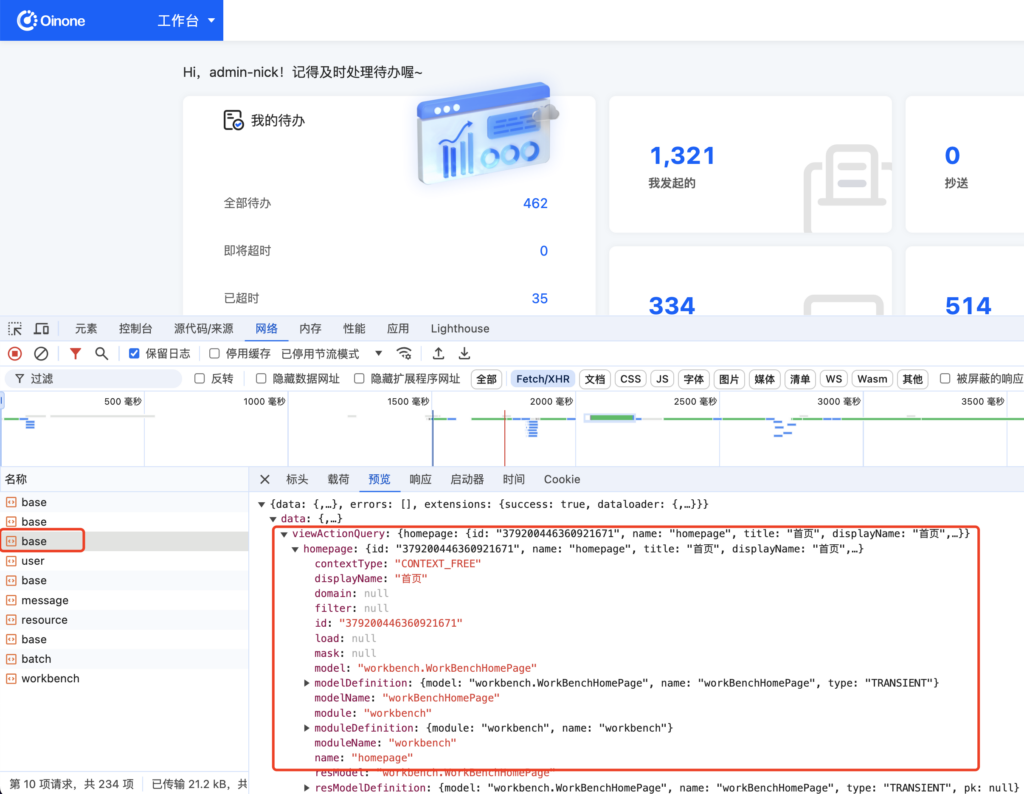
如何重写获取首页的方法

方案

我们可以通过在该方法的后置hook自定义获取首页的逻辑,下面以按角色跳转不同首页的需求示例

package pro.shushi.pamirs.demo.core.hook;

import org.apache.commons.collections4.CollectionUtils;
import org.springframework.stereotype.Component;
import pro.shushi.pamirs.auth.api.model.AuthRole;
import pro.shushi.pamirs.boot.base.enmu.BaseExpEnumerate;
import pro.shushi.pamirs.boot.base.model.ViewAction;
import pro.shushi.pamirs.boot.web.loader.PageLoadAction;
import pro.shushi.pamirs.demo.api.model.DemoItemCategory;
import pro.shushi.pamirs.demo.api.model.DemoItemLabel;
import pro.shushi.pamirs.meta.annotation.Hook;
import pro.shushi.pamirs.meta.api.CommonApiFactory;
import pro.shushi.pamirs.meta.api.core.faas.HookAfter;
import pro.shushi.pamirs.meta.api.dto.fun.Function;
import pro.shushi.pamirs.meta.api.session.PamirsSession;
import pro.shushi.pamirs.meta.common.exception.PamirsException;
import pro.shushi.pamirs.user.api.model.PamirsUser;

import java.util.List;
import java.util.stream.Collectors;

@Component
public class DemoHomepageHook implements HookAfter {

    private static final String TEST_ROLE_CODE_01 = "ROLE_1211";
    private static final String TEST_ROLE_CODE_02 = "ROLE_1211_1";

    @Override
    @Hook(module = {"base"}, model = {ViewAction.MODEL_MODEL}, fun = {"homepage"})
    public Object run(Function function, Object ret) {
        if (ret == null) {
            return null;
        }
        ViewAction viewAction = getViewActionByCurrentRole();
        if (viewAction != null) {
            ViewAction retNew = CommonApiFactory.getApi(PageLoadAction.class).load(viewAction);
            ViewAction viewActionRet = (ViewAction) ((Object[]) ret)[0];
            viewActionRet.set_d(retNew.get_d());
        }
        return ret;
    }

    protected ViewAction getViewActionByCurrentRole() {
        try {
            PamirsUser user = new PamirsUser();
            user.setId(PamirsSession.getUserId());
            user.fieldQuery(PamirsUser::getRoles);
            List<AuthRole> roles = user.getRoles();
            if (CollectionUtils.isNotEmpty(roles)) {
                List<String> roleCodes = roles.stream().map(AuthRole::getCode).collect(Collectors.toList());
                if (roleCodes.contains(TEST_ROLE_CODE_01)) {
                    return new ViewAction().setModel(DemoItemCategory.MODEL_MODEL).setName("DemoMenus_ItemPMenu_DemoItemAndCateMenu_DemoItemCategoryMenu").queryOne();
                } else if (roleCodes.contains(TEST_ROLE_CODE_02)) {
                    return new ViewAction().setModel(DemoItemLabel.MODEL_MODEL).setName("DemoMenus_ItemPMenu_DemoItemAndCateMenu_DemoItemLabelMenu").queryOne();
                }
            }
        } catch (PamirsException exception) {
            if (PamirsSession.getUserId() == null) {
                throw PamirsException.construct(BaseExpEnumerate.BASE_USER_NOT_LOGIN_ERROR, exception.getCause()).errThrow();
            } else {
                throw exception;
            }
        }
        return null;
    }
}

Oinone社区 作者:nation原创文章,如若转载,请注明出处:https://doc.oinone.top/backend/14500.html

访问Oinone官网:https://www.oinone.top获取数式Oinone低代码应用平台体验

(0)
nation的头像nation数式员工
上一篇 2024年7月5日 pm10:49
下一篇 2024年7月9日 pm8:59

相关推荐

  • 如何把平台功能菜单加到项目中?

    概述 在使用Oinone低代码平台进行项目开发的过程中,会存在把平台默认提供的菜单加到自己的项目中。这篇文章介绍实现方式,以角色管理为例。 1. 低代码情况 即项目是通过后端代码初始化菜单的方式。 通常在 XXXMenu.java类通过@UxMenu注解的方式,代码片段如下: 此种情况与添加项目本地的菜单无区别,具体代码: @UxMenu(value = "账号管理", icon = "icon-yonghuguanli") class AccountManage { @UxMenu("用户管理") @UxRoute(value = CustomerCompanyUserProxy.MODEL_MODEL, title = "用户管理") class CompanyUserManage { } @UxMenu("角色管理") @UxRoute(value = AuthRole.MODEL_MODEL, module = AdminModule.MODULE_MODULE, title = "角色管理") class RoleManage { } @UxMenu("操作日志") @UxRoute(value = OperationLog.MODEL_MODEL, module = AdminModule.MODULE_MODULE/***菜单所挂载的模块**/) class OperateLog { } } 2. 无代码情况 在界面设计器中,新建菜单–>选择绑定已有页面,进行发布即可。

    2024年4月19日
    1.6K00
  • EIP开放接口使用MD5验签发起请求(v5.x)

    验签工具类 PS:该验签方法仅在pamirs-core的5.0.16版本以上可正常使用 public class EipSignUtils { public static final String SIGN_METHOD_MD5 = "md5"; private static final String SIGN_METHOD_HMAC = "hmac"; private static final String SECRET_KEY_ALGORITHM = "HmacMD5"; private static final String MESSAGE_DIGEST_MD5 = "MD5"; public static String signTopRequest(Map<String, String> params, String secret, String signMethod) throws IOException { // 第一步:检查参数是否已经排序 String[] keys = params.keySet().toArray(new String[0]); Arrays.sort(keys); // 第二步:把所有参数名和参数值串在一起 StringBuilder query = new StringBuilder(); if (SIGN_METHOD_MD5.equals(signMethod)) { query.append(secret); } for (String key : keys) { String value = params.get(key); if (StringUtils.isNoneBlank(key, value)) { query.append(key).append(value); } } // 第三步:使用MD5/HMAC加密 byte[] bytes; if (SIGN_METHOD_HMAC.equals(signMethod)) { bytes = encryptHMAC(query.toString(), secret); } else { query.append(secret); bytes = encryptMD5(query.toString()); } // 第四步:把二进制转化为大写的十六进制(正确签名应该为32大写字符串,此方法需要时使用) return byte2hex(bytes); } private static byte[] encryptHMAC(String data, String secret) throws IOException { byte[] bytes; try { SecretKey secretKey = new SecretKeySpec(secret.getBytes(StandardCharsets.UTF_8), SECRET_KEY_ALGORITHM); Mac mac = Mac.getInstance(secretKey.getAlgorithm()); mac.init(secretKey); bytes = mac.doFinal(data.getBytes(StandardCharsets.UTF_8)); } catch (GeneralSecurityException e) { throw new IOException(e.toString(), e); } return bytes; } private static byte[] encryptMD5(String data) throws IOException { return encryptMD5(data.getBytes(StandardCharsets.UTF_8)); } private static byte[] encryptMD5(byte[] data) throws IOException { try { MessageDigest md = MessageDigest.getInstance(MESSAGE_DIGEST_MD5); return md.digest(data); } catch (NoSuchAlgorithmException e)…

    2024年6月29日
    1.3K00
  • Maven Setting 配置详解

    常用标签概览 servers/server:配置私有仓库用户名和密码进行认证,以 id 进行关联。 mirrors/mirror:配置镜像仓库拉取时的地址源和额外配置。 profiles/profile:配置多个可能使用的镜像仓库。 activeProfiles/activeProfile:配置默认激活的 profile,以 id 进行关联。 Oinone 私有仓库配置 以下配置可以在使用 Oinone 私有仓库的同时,也可以正常使用 aliyun 镜像源。 <servers> <server> <id>shushi</id> <username>${username}</username> <password>${password}</password> </server> </servers> <mirrors> <mirror> <id>shushi</id> <mirrorOf>shushi</mirrorOf> <url>http://ss.nexus.ixtx.fun/repository/public</url> <!– 忽略 https 认证,maven 版本过高时需要配置 –> <blocked>false</blocked> </mirror> </mirrors> <profiles> <profile> <id>shushi</id> <repositories> <repository> <!– 对应 server.id –> <id>shushi</id> <url>http://ss.nexus.ixtx.fun/repository/public</url> <releases> <enabled>true</enabled> </releases> <snapshots> <enabled>true</enabled> </snapshots> </repository> </repositories> <pluginRepositories> <pluginRepository> <!– 对应 server.id –> <id>shushi</id> <url>http://ss.nexus.ixtx.fun/repository/snapshots</url> <releases> <enabled>false</enabled> </releases> <snapshots> <enabled>true</enabled> </snapshots> </pluginRepository> </pluginRepositories> </profile> <profile> <id>aliyun</id> <repositories> <repository> <id>aliyun</id> <url>https://maven.aliyun.com/repository/public</url> <releases> <enabled>true</enabled> </releases> <snapshots> <enabled>false</enabled> </snapshots> </repository> </repositories> <pluginRepositories> <pluginRepository> <id>aliyun</id> <url>https://maven.aliyun.com/repository/public</url> <releases> <enabled>true</enabled> </releases> <snapshots> <enabled>false</enabled> </snapshots> </pluginRepository> </pluginRepositories> </profile> </profiles> <activeProfiles> <!– 使用 shushi 私有仓库 –> <activeProfile>shushi</activeProfile> <!– 使用 aliyun 镜像仓库 –> <activeProfile>aliyun</activeProfile> </activeProfiles> 常见问题 使用 mvn 时无法拉取 Oinone 最新版镜像,提示找不到对应的包 原因:在 Oinone 开源后,oinone-pamirs 内核相关包都被部署到 maven 中央仓库,但由于其他镜像仓库的同步存在延时,在未正确同步的其他镜像源拉取时会出现找不到对应的包相关异常。 解决方案:检查 mirrors 中是否配置了 aliyun 镜像源,如果配置了,使用上述 Oinone 私有仓库配置重新配置后,再进行拉取。这一问题是由于 mirrors 配置不当,拦截了所有从 maven 中央仓库拉取的地址替换为了 aliyun 镜像源导致的。

    2025年11月10日
    40600
  • 自定义createorupdate方法时,关联模型数据怎么保存?

    需要自己手动增加保存关联模型数据的逻辑。 多对一、一对一以及一对多 可直接用fieldSave进行保存即可 //如 data.fieldSave(PamirsEmployee::getPositions); 多对多 需要对数据进行处理,前端提交过来的数据,进行判断,是新增还是修改,或者删除

    2023年11月1日
    1.2K00
  • 分库分表与自定义分表规则

    总体介绍 Oinone的分库分表方案是基于Sharding-JDBC的整合方案,要先具备一些Sharding-JDBC的知识。[Sharding-JDBC]https://shardingsphere.apache.org/document/current/cn/overview/ 做分库分表前,大家要有一个明确注意的点就是分表字段(也叫均衡字段)的选择,它是非常重要的,与业务场景非常相关。在明确了分库分表字段以后,甚至在功能上都要做一些妥协。比如分库分表字段在查询管理中做为查询条件是必须带上的,不然效率只会更低。 分表字段不允许更新,所以代码里更新策略设置类永不更新,并在设置了在页面修改的时候为readonly 配置分表策略 配置ShardingModel模型走分库分表的数据源pamirsSharding 为pamirsSharding配置数据源以及sharding规则 a. pamirs.sharding.define用于oinone的数据库表创建用 b. pamirs.sharding.rule用于分表规则配置 为pamirsSharding配置数据源以及sharding规则 1)指定模型对应数据源 pamirs: framework: system: system-ds-key: base system-models: – base.WorkerNode data: default-ds-key: pamirs ds-map: base: base modelDsMap: "[demo.ShardingModel]": pamirsSharding #配置模型对应的库 2)分库分表规则配置 pamirs: sharding: define: data-sources: ds: pamirs pamirsSharding: pamirs #申明pamirsSharding库对应的pamirs数据源 models: "[trigger.PamirsSchedule]": tables: 0..13 "[demo.ShardingModel]": tables: 0..7 table-separator: _ rule: pamirsSharding: #配置pamirsSharding库的分库分表规则 actual-ds: – pamirs #申明pamirsSharding库对应的pamirs数据源 sharding-rules: # Configure sharding rule ,以下配置跟sharding-jdbc配置一致 – tables: demo_core_sharding_model: #demo_core_sharding_model表规则配置 actualDataNodes: pamirs.demo_core_sharding_model_${0..7} tableStrategy: standard: shardingColumn: user_id shardingAlgorithmName: table_inline shardingAlgorithms: table_inline: type: INLINE props: algorithm-expression: demo_core_sharding_model_${(Long.valueOf(user_id) % 8)} props: sql.show: true 自定义规则 默认规则即通用的分库分表策略,如按照数据量、哈希等方式进行分库分表;通常默认规则是可以的。 但在一些复杂的业务场景下,使用默认规则可能无法满足需求,需要根据实际情况进行自定义。例如,某些业务可能有特定的数据分布模式或者查询特点,需要定制化的分库分表规则来优化数据访问性能或者满足业务需求。在这种情况下,使用自定义规则可以更好地适应业务的需求。 自定义分表规则示例 示例1:按月份分表(DATE_MONTH ) package pro.shushi.pamirs.demo.core.sharding; import cn.hutool.core.date.DateUtil; import com.google.common.collect.Range; import org.apache.shardingsphere.sharding.api.sharding.standard.PreciseShardingValue; import org.apache.shardingsphere.sharding.api.sharding.standard.RangeShardingValue; import org.apache.shardingsphere.sharding.api.sharding.standard.StandardShardingAlgorithm; import org.springframework.stereotype.Component; import pro.shushi.pamirs.meta.annotation.fun.extern.Slf4j; import java.util.*; /** * @author wangxian * @version 1.0 * @description */ @Component @Slf4j public class DateMonthShardingAlgorithm implements StandardShardingAlgorithm<Date> { private Properties props; @Override public String doSharding(Collection<String> availableTargetNames, PreciseShardingValue<Date> preciseShardingValue) { Date date = preciseShardingValue.getValue(); String suffix = "_" + (DateUtil.month(date) + 1); for (String tableName : availableTargetNames) { if (tableName.endsWith(suffix)) { return tableName; } } throw new IllegalArgumentException("未找到匹配的数据表"); } @Override public Collection<String> doSharding(Collection<String> availableTargetNames, RangeShardingValue<Date> rangeShardingValue) { List<String> list =…

    2024年5月11日
    1.2K00

Leave a Reply

登录后才能评论