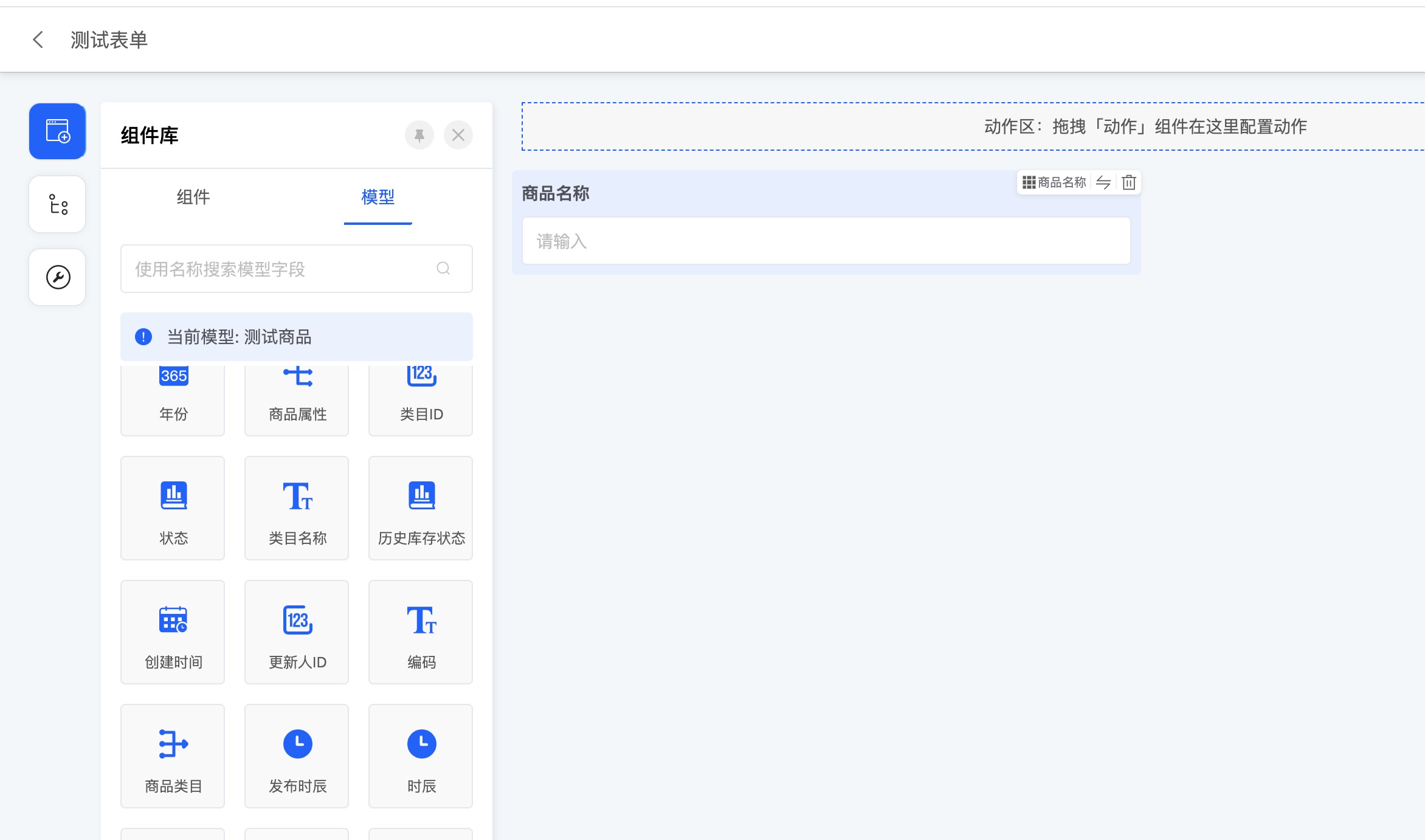
1. 审批/填写节点的视图页面
在界面设计器中创建对应模型的表单视图,可根据业务场景需要自定义所需流程待办的审批页面
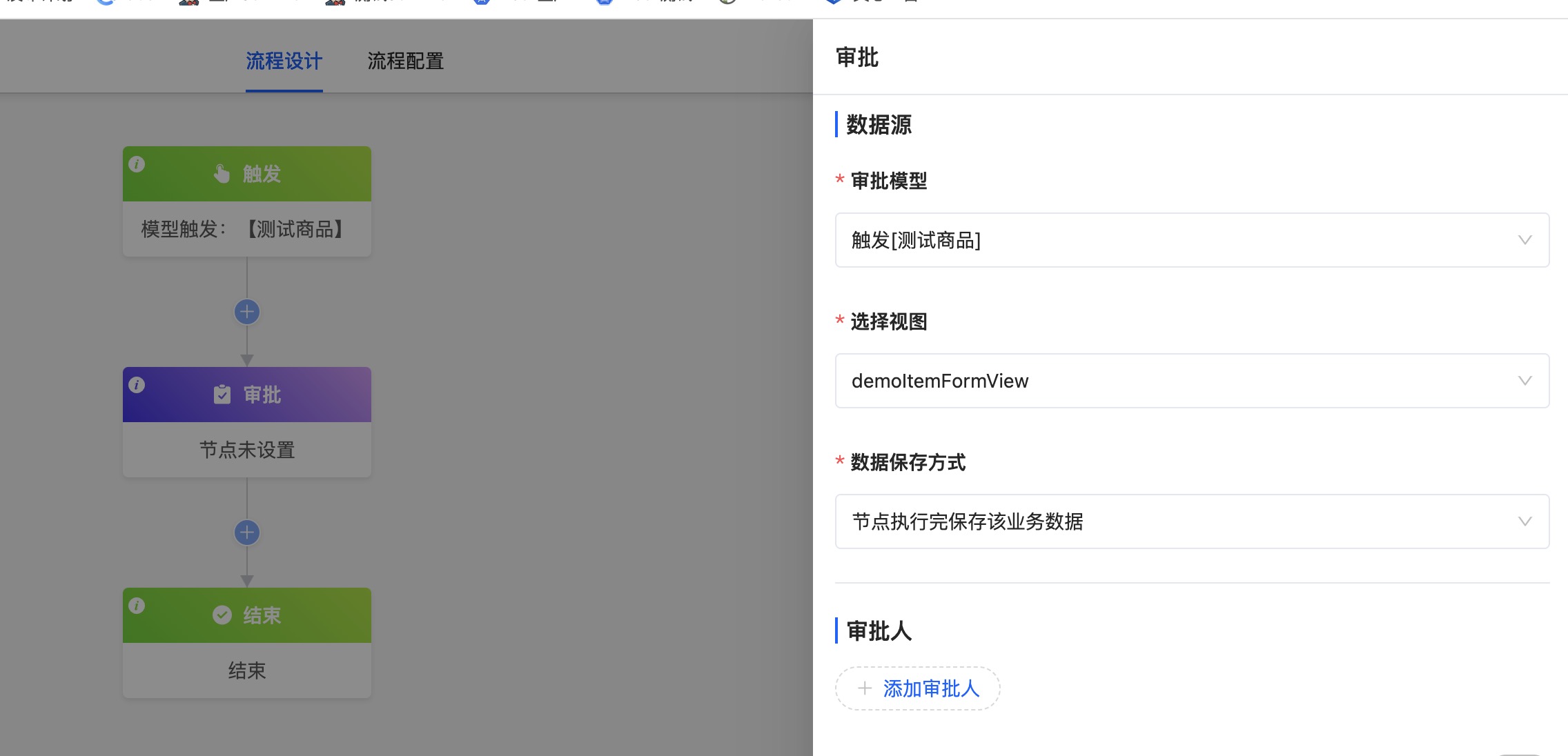
2. 在审批/填写节点中选择刚创建的视图
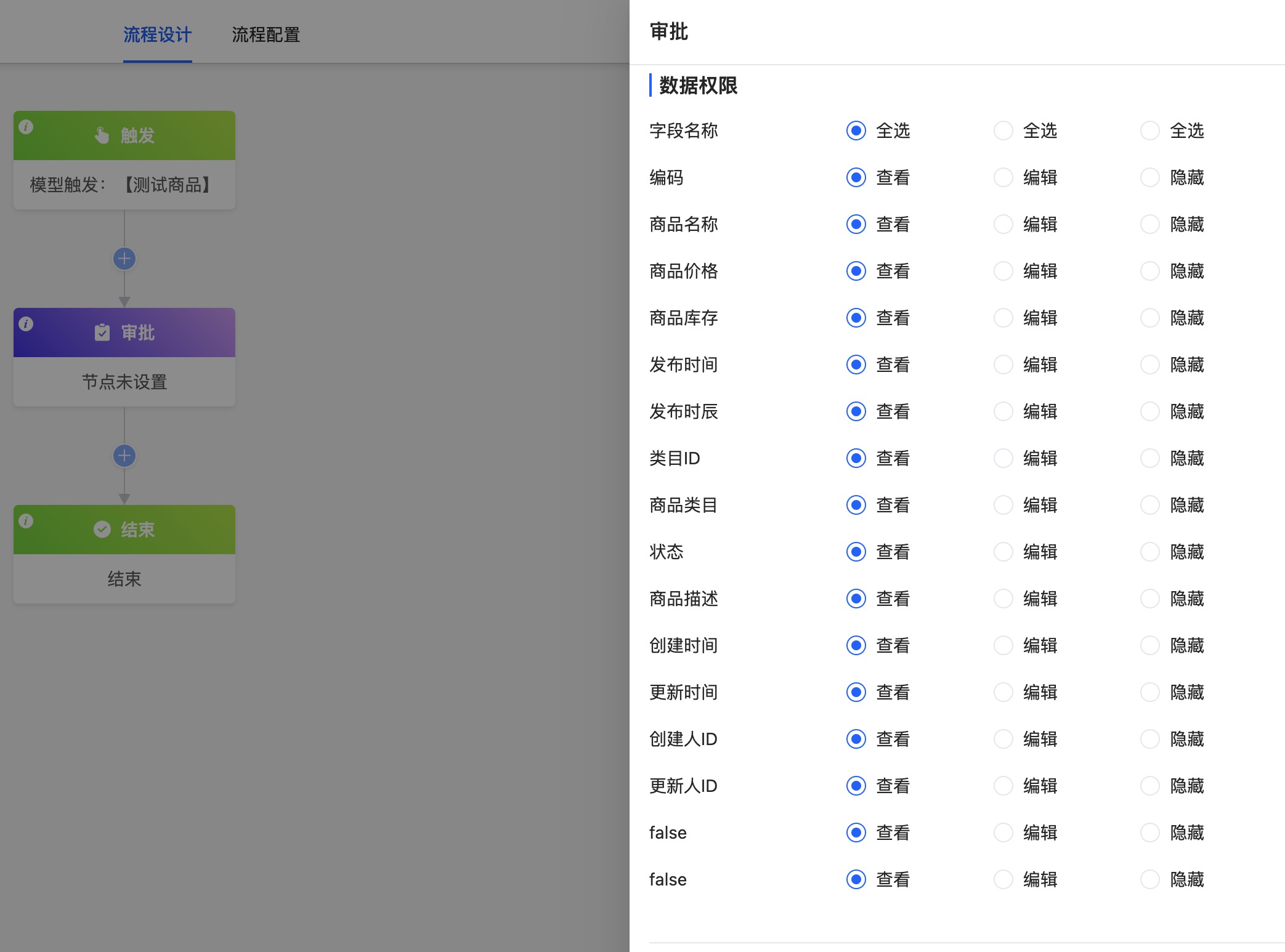
在工作流待办数据权限可在节点数据权限中可对字段设置查看、编辑、隐藏

Oinone社区 作者:数式-海波原创文章,如若转载,请注明出处:https://doc.oinone.top/backend/7224.html
访问Oinone官网:https://www.oinone.top获取数式Oinone低代码应用平台体验

在界面设计器中创建对应模型的表单视图,可根据业务场景需要自定义所需流程待办的审批页面
2. 在审批/填写节点中选择刚创建的视图
在工作流待办数据权限可在节点数据权限中可对字段设置查看、编辑、隐藏
Oinone社区 作者:数式-海波原创文章,如若转载,请注明出处:https://doc.oinone.top/backend/7224.html
访问Oinone官网:https://www.oinone.top获取数式Oinone低代码应用平台体验
常用标签概览 servers/server:配置私有仓库用户名和密码进行认证,以 id 进行关联。 mirrors/mirror:配置镜像仓库拉取时的地址源和额外配置。 profiles/profile:配置多个可能使用的镜像仓库。 activeProfiles/activeProfile:配置默认激活的 profile,以 id 进行关联。 Oinone 私有仓库配置 以下配置可以在使用 Oinone 私有仓库的同时,也可以正常使用 aliyun 镜像源。 <servers> <server> <id>shushi</id> <username>${username}</username> <password>${password}</password> </server> </servers> <mirrors> <mirror> <id>shushi</id> <mirrorOf>shushi</mirrorOf> <url>http://ss.nexus.ixtx.fun/repository/public</url> <!– 忽略 https 认证,maven 版本过高时需要配置 –> <blocked>false</blocked> </mirror> </mirrors> <profiles> <profile> <id>shushi</id> <repositories> <repository> <!– 对应 server.id –> <id>shushi</id> <url>http://ss.nexus.ixtx.fun/repository/public</url> <releases> <enabled>true</enabled> </releases> <snapshots> <enabled>true</enabled> </snapshots> </repository> </repositories> <pluginRepositories> <pluginRepository> <!– 对应 server.id –> <id>shushi</id> <url>http://ss.nexus.ixtx.fun/repository/snapshots</url> <releases> <enabled>false</enabled> </releases> <snapshots> <enabled>true</enabled> </snapshots> </pluginRepository> </pluginRepositories> </profile> <profile> <id>aliyun</id> <repositories> <repository> <id>aliyun</id> <url>https://maven.aliyun.com/repository/public</url> <releases> <enabled>true</enabled> </releases> <snapshots> <enabled>false</enabled> </snapshots> </repository> </repositories> <pluginRepositories> <pluginRepository> <id>aliyun</id> <url>https://maven.aliyun.com/repository/public</url> <releases> <enabled>true</enabled> </releases> <snapshots> <enabled>false</enabled> </snapshots> </pluginRepository> </pluginRepositories> </profile> </profiles> <activeProfiles> <!– 使用 shushi 私有仓库 –> <activeProfile>shushi</activeProfile> <!– 使用 aliyun 镜像仓库 –> <activeProfile>aliyun</activeProfile> </activeProfiles> 常见问题 使用 mvn 时无法拉取 Oinone 最新版镜像,提示找不到对应的包 原因:在 Oinone 开源后,oinone-pamirs 内核相关包都被部署到 maven 中央仓库,但由于其他镜像仓库的同步存在延时,在未正确同步的其他镜像源拉取时会出现找不到对应的包相关异常。 解决方案:检查 mirrors 中是否配置了 aliyun 镜像源,如果配置了,使用上述 Oinone 私有仓库配置重新配置后,再进行拉取。这一问题是由于 mirrors 配置不当,拦截了所有从 maven 中央仓库拉取的地址替换为了 aliyun 镜像源导致的。
大类 明细 文档链接 平台基础 如何开发Action,理解前后端协议 如何开发Action,理解前后端协议 CDN配置及文件操作相关 OSS(CDN)配置和文件系统的一些操作 MINIO无公网访问地址下OSS的配置 MINIO无公网访问地址下OSS的配置 分库分表与自定义分表规则 分库分表与自定义分表规则 Oinone引入搜索引擎(增强模型) Oinone引入搜索引擎(增强模型) 引入搜索/增强模型Channel)常见问题解决办法 引入搜索(增强模型Channel)常见问题解决办法 框架之MessageHub(信息提示) 框架之MessageHub(信息提示) DsHint和BatchSizeHint的使用 DsHint(指定数据源)和BatchSizeHint(查询批次数量) Oinone连接外部数据源方案 Oinone连接外部数据源方案 如何自定义SQL(Mapper)语句 如何自定义SQL(Mapper)语句 IWrapper、QueryWrapper和LambdaQueryWrapper使用 IWrapper、QueryWrapper和LambdaQueryWrapper使用 如何在代码中使用自增ID、手动方式获取CODE 如何在代码中使用自增ID、手动方式获取CODE 函数之触发与定时配置和示例 函数之触发与定时配置和示例 函数之异步执行 函数之异步执行 查询时自定义排序字段和排序规则 查询时自定义排序字段和排序规则 非存储字段搜索 非存储字段搜索,适应灵活的搜索场景 枚举/二进制枚举/多值枚举 如何使用位运算的数据字典 全局首页及应用首页配置方法(homepage) 全局首页及应用首页配置方法(homepage) 缓存连接由Jedis切换为Lettuce 缓存连接由Jedis切换为Lettuce GraphQL请求:后端接口实现逻辑解析 GraphQL请求:后端接口实现逻辑解析 Nacos支持 Nacos作为注册中心 Oinone项目引入Nacos作为注册中心 Nacos作为配置中心 Oinone项目引入Nacos作为配置中心 Nacos做为注册中心调用SpringCloud服务 Nacos做为注册中心调用SpringCloud服务 分布式相关 如何构建分布式项目 Oinone如何支持构建分布式项目 构建分布式项目一些要点(dubbo日志关闭等) Oinone构建分布式项目一些注意点 信创支持 后端部署使用达梦数据库 【达梦】后端使用达梦数据库 后端部署使用PostgreSQL数据库 【PostgreSQL】后端使用PostgreSQL数据库 后端部署使用OpenGauss数据库 【OpenGauss】后端使用OpenGauss数据库 后端部署使用MSSQL数据库(SQLServer) 【MSSQL】后端部署使用MSSQL数据库(SQLServer) 东方通Web和Tomcat部署Oinone项目 东方通Web和Tomcat部署Oinone项目 常见扩展 如何增加用户中心的菜单 如何增加用户中心的菜单 导入导出 如何批量导入 如何批量导入 如何支持多Excel多个Sheet导入功能 如何支持多Excel多个Sheet导入功能 如何自定义Excel导入功能 如何自定义Excel导入功能 如何自定义Excel导出功能 如何自定义Excel导出功能 如何自定义表达式 如何自定义表达式 登录扩展 对接外部SSO Oinone登录扩展:对接SSO(4.7.8及之后的版本) 自定义占位符 自定义RSQL占位符及在权限中使用 自定义RSQL占位符(placeholder)及在权限中使用 自定义数据权限拦截处理 自定义数据权限拦截处理 设计器公共 后端无代码设计器Jar包启动方法 后端无代码设计器Jar包启动方法 界面设计器 页面跳转时增加跳转参数 页面跳转时增加跳转参数 界面设计器的导入导出 界面设计器的导入导出 流程设计器 项目中工作流引入和流程触发 项目中工作流引入和流程触发 流程扩展自定义函数示例代码汇总 工作流-流程扩展自定义函数示例代码汇总 工作流-流程代办等页面自定义 工作流-流程代办等页面自定义 审核撤回/回退/拒绝钩子使用 工作流审核撤回/回退/拒绝钩子使用 流程设计器的导入导出 流程设计器的导入导出 如何添加工作流运行时依赖 如何添加工作流运行时依赖 数据可视化 项目中图表设计器引入 数据可视化-项目中数据可视化的实现引入 自定义图表模版 数据可视化中图表的低无一体 图表设计器数据获取示例 数据可视化-数据可视化数据获取示例 如何添加数据可视化运行时依赖 如何添加数据可视化运行时依赖 图表设计器的设计数据导入导出 图表设计器的设计数据导入导出
在需要对QueryPage增加额外的查询条件,比如DemoItem增加只展示创建人为当前用户的数据 @Function.Advanced(type = FunctionTypeEnum.QUERY, displayName = "查询列表") @Function.fun(FunctionConstants.queryPage) @Function(openLevel = {FunctionOpenEnum.LOCAL, FunctionOpenEnum.REMOTE, FunctionOpenEnum.API}) public Pagination<DemoItem> queryPage(Pagination<DemoItem> page, IWrapper<DemoItem> queryWrapper) { LambdaQueryWrapper<DemoItem> qw = ((QueryWrapper<DemoItem>) queryWrapper).lambda(); qw.eq(DemoItem::getCreateUid, PamirsSession.getUserId()); return demoItemService.queryPage(page, qw); }
导出翻译项 与翻译的导出全部翻译项类似,只是该操作目前没有加入到页面交互中,需要通过工具发起后端服务请求,拿到导入导出翻译Excel模版,添加模版翻译项。(查看路径:文件–导出任务) mutation { excelExportTaskMutation { createExportTask( data: { workbookDefinition: { model: "file.ExcelWorkbookDefinition" name: "excelLocationTemplate" } } ) { name } } } variables: { "path": "/file", "lang": "en-US" } 参数说明:(不在以下说明范围内的参数无需修改) variables.lang参数:用于指定翻译项的目标语言编码,与【资源】-【语言】中的编码一致。 导入翻译项 mutation { excelImportTaskMutation { createImportTask( data: { workbookDefinition: { model: "file.ExcelWorkbookDefinition" name: "excelLocationTemplate" } file: { url: "翻译项URL链接" } } ) { name } } } variables: { "path": "/file" } 参数说明: 将翻译项URL链接改为实际可访问的文件链接即可,可通过页面中任意文件上传的组件获取。
1 Oinone平台首页介绍 1.1 首页包括全局首页和应用首页两类 全局首页:指用户在登录时未指定重定向地址的情况下使用的应用首页 应用首页:指用户在切换应用时使用的首页 PS:全局首页本质上也是应用首页,是在用户没有指定应用时使用的首页。如登录后。 1.2 全局首页查找规则 找到当前用户有权限访问的全部应用。 若使用AppConfig配置首页,则优先使用该配置作为全局首页。若未指定或无权限访问,则继续第3步。 依次按照应用优先级,获取有权限的首页或菜单作为全局首页。 若未查找到任何可访问页面,则提示无权限访问相关异常,用户无法进入平台。 1.3 应用首页查找规则 在指定应用下,获取有权限的首页或菜单作为应用首页。 若未查找到任何可访问页面,则提示无权限访问相关异常,用户进入应用后无法正常查看或操作。 2 配置全局首页 2.1 使用应用优先级设置全局首页 /** * 演示模块 * * @author Adamancy Zhang at 16:55 on 2024-03-24 */ @UxHomepage(@UxRoute(DemoDepartment.MODEL_MODEL)) @Component @Boot @Module( name = DemoModule.MODULE_NAME, displayName = "演示应用", version = "1.0.0", dependencies = {ModuleConstants.MODULE_BASE}, priority = 0 ) @Module.module(DemoModule.MODULE_MODULE) @Module.Advanced(selfBuilt = true) public class DemoModule implements PamirsModule { public final static String MODULE_MODULE = "demo"; public final static String MODULE_NAME = "demo"; @Override public String[] packagePrefix() { return new String[]{"pro.shushi.pamirs.demo"}; } } 注意事项 @UxHomepage用于指定应用首页 @Module#priority用于指定模块优先级,按升序排列 PS:下面描述的内容不再提供完整的模块定义内容,仅针对@UxHomepage进行介绍。 3 配置应用首页 3.1 使用@UxHomepage配置应用首页 指定模型的默认表格视图作为应用首页 @UxHomepage(@UxRoute(DemoDepartment.MODEL_MODEL)) 该指定方式将产生以下结果: 生成一个跳转动作(ViewAction),其模型编码为DemoDepartment.MODEL_MODEL,动作名称为homepage。 设置ModuleDefinition#homePageModel和ModuleDefinition#homePageName为该跳转动作。 指定模型对应的菜单作为应用首页 在当前应用下有如下菜单定义: /** * 演示模块菜单 * * @author Adamancy Zhang at 17:16 on 2024-03-24 */ @UxMenus public class DemoMenus { @UxMenu("演示部门") @UxRoute(DemoDepartment.MODEL_MODEL) class DepartmentManagement { } @UxMenu("演示员工") @UxRoute(DemoEmployee.MODEL_MODEL) class EmployeeManagement { } } 根据菜单定义我们可以知道: 演示部门这个菜单会生成一个跳转动作(ViewAction),其模型编码为DemoDepartment.MODEL_MODEL,动作名称为DemoMenus_DepartmentManagement。 因此,我们可以使用如下方式指定应用首页为演示部门这个菜单: @UxHomepage(actionName = "DemoMenus_DepartmentManagement", value = @UxRoute(DemoDepartment.MODEL_MODEL)) 4 在应用中心修改应用首页 在平台启动之后,将无法通过代码的方式修改首页,因此需要在应用中心修改应用首页。 按照如下图所示操作对应用首页进行设置。 在绑定菜单选项中,选择指定菜单即可。


