
前端环境和启动前端工程

本节核心是带大家直观的感受下我们上节构建的demo模块,并搭建前端环境为后续学习打下基础

环境准备

配置NPM

npm config set registry http://nexus.shushi.pro/repository/kunlun/

登录NPM源账号

npm login --registry "http://nexus.shushi.pro/repository/kunlun/"
# username、password、email 获取方式:
# 1、请见oinone开源社区群公告,也可以联系oinone合作伙伴或服务人员;
# 2、参考数式发过去的部署包(部署.zip)中的账号说明:docker-mvn-npm账号.md
npm info underscore

环境准备参考

启动前端工程

1、下载前端工程本地运行 [ss-front-modules.zip]ss-front-modules

2、解压下载后的工程,可以查看README.MD快速上手指南; 找到vue.config.js文件,修改devServer.proxy.pamirs.target为后端服务的地址和端口

const WidgetLoaderPlugin = require('@kunlun/widget-loader/dist/plugin.js').default;
const Dotenv = require('dotenv-webpack');
module.exports = {
  lintOnSave: false,
  runtimeCompiler: true,
  configureWebpack: {
    module: {
      rules: [
        {
          test: /\.widget$/,
          loader: '@kunlun/widget-loader'
        }
      ]
    },
    plugins: [new WidgetLoaderPlugin(), new Dotenv()],
    resolveLoader: {
      alias: {
        '@kunlun/widget-loader': require.resolve('@kunlun/widget-loader')
      }
    }
  },
  devServer: {
    port: 8081,
    disableHostCheck: true,
    progress: false,
    proxy: {
      pamirs: {
        // 支持跨域
        changeOrigin: true,
       // 改成本地后端对应的IP和端口; 本地后端未启动的情况也可改成无代码后端IP和端口
        target: 'http://192.168.0.121:8190'
      }
    }
  }
};

3、 安装依赖和运行
在工程目录ss-front-modules下执行

# 安装依赖
npm i
# 运行
npm run dev

4、若安装失败

  • 检查本地node、npm、vue对应的版本
    前端环境和启动前端工程

5、 如果启动报错

  • 清除node_modules后重新 npm i
  • mac清除命令:npm run cleanOs
  • windows清除命令: npm run clean

注:要用localhost域名访问,.env文件这里也要改成localhost。如果开发中一定要出现前后端域名不一致,老版本Chrome会有问题,修改可以请参https://www.cnblogs.com/willingtolove/p/12350429.html。或者下载新版本Chrome

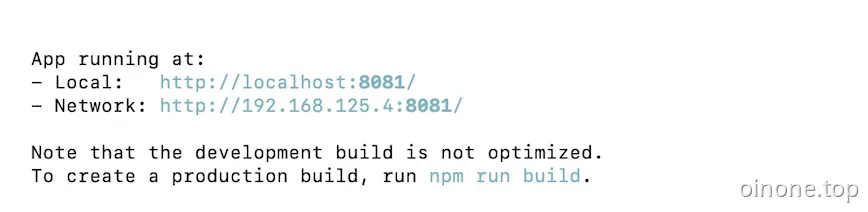
  • 进入前端工程ss-front-modules文件目录下,执行 npm run dev,最后出现下图就代表启动成功
    前端环境和启动前端工程

6、使用 http://127.0.0.1:8081/login 进行访问,并用admin账号登陆,默认密码为admin

前端环境和启动前端工程

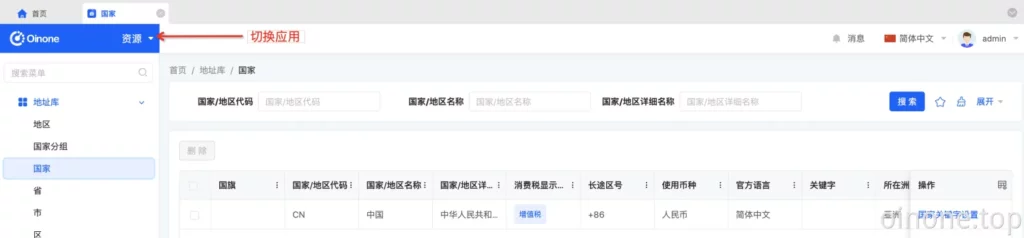
5、点击左上角进行应用切换,会进入App Finder页面,可以看到所有已经安装的应用,可以对照boot的yml配置文件看。
前端环境和启动前端工程
前端环境和启动前端工程

在后续的学习过程中我们会不断完善示例中的模块。至此恭喜您,前端工程已经启动完成。

示例工程分层说明

# ss-boot
不做业务研发,只做包的组装和依赖

# ss-oinone
与Oinone结合层,这个工程结构可以把数式Oinone的改造收口,也是业务工程依赖的核心层

# ss-admin-widget
与界面设计器无代码的结合工程,在这个工程结构里可以把组件放在无代码平台上使用

# ss-project
模拟的项目工程,做某个项目的个性化开发

Oinone社区 作者:望闲原创文章,如若转载,请注明出处:https://doc.oinone.top/frontend/12478.html

访问Oinone官网:https://www.oinone.top获取数式Oinone低代码应用平台体验

(0)
望闲的头像望闲数式管理员
上一篇 2024年5月28日 pm12:20
下一篇 2024年5月29日 pm10:07

相关推荐

  • oio-button 按钮

    主按钮:用于主行动点,一个操作区域只能有一个主按钮。 默认按钮:用于没有主次之分的一组行动点。 虚线按钮:常用于添加操作。 文本按钮:用于最次级的行动点。 链接按钮:一般用于链接,即导航至某位置。 以及四种状态属性与上面配合使用。 危险:删除/移动/修改权限等危险操作,一般需要二次确认。 禁用:行动点不可用的时候,一般需要文案解释。 加载中:用于异步操作等待反馈的时候,也可以避免多次提交。 API 按钮的属性说明如下: 属性 说明 类型 默认值 版本 block 将按钮宽度调整为其父宽度的选项 boolean false disabled 按钮失效状态 boolean false icon 设置按钮的图标类型 v-slot – loading 设置按钮载入状态 boolean | { delay: number } false type 设置按钮类型 primary | ghost | dashed | link | text | default default 事件 事件名称 说明 回调参数 版本 click 点击按钮时的回调 (event) => void 支持原生 button 的其他所有属性。

    2023年12月18日
    63300
  • 前端graphql拼接复杂的数据类型结构

    在前端开发中,有时需要自定义视图,但手写 GraphQL 查询语句非常繁琐,特别是当查询很复杂时。本文将介绍如何使用平台内置的API buildSingleItemParam 来简化这个过程。 使用方法 buildSingleItemParam 方法接受两个参数: 字段结构 数据 下面是一个示例代码: import { IModelField, buildSingleItemParam } from '@kunlun/dependencies'; const onSaveViewData = async (data) => { // 定义字段的数据结构 const modelFields = [ { name: 'conversationId', ttype: ModelFieldType.String }, { name: 'msgId', ttype: ModelFieldType.String }, { name: 'rating', ttype: ModelFieldType.Integer }, { name: 'tags', ttype: ModelFieldType.OneToMany, modelFields: [ { name: 'id', ttype: ModelFieldType.String }, { name: 'name', ttype: ModelFieldType.String } ] }, { name: 'text', ttype: ModelFieldType.String } ] as IModelField[]; // 构建 GraphQL 查询语句 const gqlStr = await buildSingleItemParam(modelFields, data); const gqlBody = `mutation { chatMessageFeedbackMutation { create( data: ${gqlStr} ) { conversationId msgId rating tags { id } text } } }`; // 向服务器发送请求 const rst = await http.query('ModuleName', gqlBody) // todo }; // 调用示例 onSaveViewData({ conversationId: '12', msgId: '123', tags: [ { id: '122', name: '222' }, { id: '122', name: '222' } ] }); 以上是使用 buildSingleItemParam 简化 GraphQL 查询语句的示例代码。通过这种方式,我们可以更高效地构建复杂的查询语句,提高开发效率。

    2023年11月1日
    2.4K00
  • 前端表格复制

    我们可能会遇到表格复制的需求,也就是表格填写的时候,不是增加一行数据,而是增加一个表格。以下是代码实现和原理分析。 代码实现 在 boot 工程的 main.ts 中加入以下代码 import { registerDesignerFieldWidgetCreator, selectorDesignerFieldWidgetCreator } from '@oinone/kunlun-ui-designer-dependencies'; // 注册无代码组件,将表头分组的无代码组件,注册成字段表格组件 registerDesignerFieldWidgetCreator( { widget: 'DynamicCreateTable' }, selectorDesignerFieldWidgetCreator({ widget: TABLE_WIDGET })! ); DynamicCreateTableWidget 动态添加表格 ts 组件 import { FormO2MTableFieldWidget, Widget, DslDefinition, RuntimeView, SubmitValue, BaseFieldWidget, ModelFieldType, SPI, ViewType, ActiveRecord, uniqueKeyGenerator } from '@oinone/kunlun-dependencies'; import { MyMetadataViewWidget } from './MyMetadataViewWidget'; import DynamicCreateTable from './DynamicCreateTable.vue'; @SPI.ClassFactory( BaseFieldWidget.Token({ viewType: ViewType.Form, ttype: ModelFieldType.OneToMany, widget: 'DynamicCreateTable' }) ) export class DynamicCreateTableWidget extends FormO2MTableFieldWidget { public myMetadataViewWidget: MyMetadataViewWidget[] = []; @Widget.Reactive() public myMetadataViewWidgetLength = 0; @Widget.Reactive() public myMetadataViewWidgetKeys: string[] = []; protected props: Record<string, unknown> = {}; public initialize(props) { super.initialize(props); this.props = props; this.setComponent(DynamicCreateTable); return this; } // region 创建动态表格 @Widget.Method() public async createTableWidget(record: ActiveRecord) { const index = this.myMetadataViewWidget.length; const handle = uniqueKeyGenerator(); const slotKey = `MyMetadataViewWidget_${handle}`; const widget = this.createWidget( new MyMetadataViewWidget(handle), slotKey, // 插槽名称 { subIndex: index, metadataHandle: this.metadataHandle, rootHandle: this.rootHandle, automatic: true, internal: true, inline: true } ); this.initDynamicSubview(this.props, widget); widget.setData(record); this.myMetadataViewWidgetLength++; this.myMetadataViewWidgetKeys.push(slotKey); this.myMetadataViewWidget.push(widget); } protected initDynamicSubview(props: Record<string, unknown>, widget: MyMetadataViewWidget) { const { currentViewDsl } = this; let viewDsl = currentViewDsl; if (!viewDsl) { viewDsl = this.getViewDsl(props)…

    2025年7月21日
    59900
  • 前端自定义左树右表中的树

    在 oinone 平台中,提供了默认的左树右表的视图,用户可以通过界面设计器配置,默认的树视图不一定满足所有需求,尤其当需要自定义功能或复杂的交互时,我们可以通过自定义视图来实现更灵活的展现。 本文将带你一步步了解如何自定义左树右表视图中的树组件。 自定义树视图 1. 使用界面设计器配置视图 首先,我们需要通过界面设计器生成基础的左树右表视图。界面设计器允许用户根据不同需求进行拖拽配置,快速创建可视化界面。 配置完视图之后,我们可以重写左侧的树组件。Oinone 的默认树组件是 TableSearchTreeWidget,通过自定义的方式,我们可以实现更高级的功能。 2. 重写 TableSearchTreeWidget import { BaseElementWidget, SPI, TableSearchTreeWidget, ViewType } from '@kunlun/dependencies'; import CustomTableSearchTree from './CustomTableSearchTree.vue'; @SPI.ClassFactory( BaseElementWidget.Token({ viewType: [ViewType.Table, ViewType.Form], widget: 'tree', model: 'resource.k2.Model0000000100' // 改成自己的模型 }) ) export class CustomTableSearchTreeWidget extends TableSearchTreeWidget { public initialize(props) { super.initialize(props); this.setComponent(CustomTableSearchTree); return this; } } 3. 定义 Vue 树组件 接下来,我们来实现 CustomTableSearchTree.vue 组件。这个组件将处理树的数据加载、节点选中等逻辑。你可以根据项目的需要修改其中的交互逻辑或 UI 设计。 <template> <a-tree :load-data="onLoadData" :tree-data="treeData" @select="onSelected" /> </template> <script lang="ts"> import { OioTreeNode, TreeUtils } from '@kunlun/dependencies'; import { computed, defineComponent } from 'vue'; export default defineComponent({ props: { rootNode: { type: Object }, loadData: { type: Function, required: true }, onSelected: { type: Function, required: true } }, setup(props) { // // 计算树的数据源,使用 TreeUtils 处理 const treeData = computed(() => { return TreeUtils.fillLoadMoreAction([…(props.rootNode?.children || [])]); }); // 异步加载子节点 const onLoadData = async (node) => { return await props.loadData(node.dataRef); }; // 处理节点选中事件 const onSelected = ( selectedKeys: string[], e: { nativeEvent: PointerEvent; node: { dataRef: OioTreeNode }; selected: boolean } ) => { props.onSelected?.(e.node.dataRef, e.selected); }; return { treeData, onLoadData, onSelected }; } }); </script> 4. 自定义…

    2024年10月21日
    2.4K00
  • 列表视图、卡片视图切换

    在日常项目开发中,我们可能会遇到当前视图是个表格,通过某个操作按钮将它变成卡片的形式. 这篇文章将带大家实现这种功能。通过上面两张图片可以看到出来不管是表格还是卡片,它都在当前的视图里面,所以我们需要一个视图容器来包裹表格跟卡片,并且表格可以使用平台默认的表格渲染,我们只需要自定义卡片即可。 我们用资源模块下面的国家菜单来实现这么一个功能这是对应的URL: http://localhost:8080/page;module=resource;viewType=TABLE;model=resource.ResourceCountry;action=resource%23%E5%9B%BD%E5%AE%B6;scene=resource%23%E5%9B%BD%E5%AE%B6;target=OPEN_WINDOW;menu=%7B%22selectedKeys%22:%5B%22%E5%9B%BD%E5%AE%B6%22%5D,%22openKeys%22:%5B%22%E5%9C%B0%E5%9D%80%E5%BA%93%22,%22%E5%9C%B0%E5%8C%BA%22%5D%7D 源码下载 views 创建外层的视图容器 刚刚我们讲过,不管是表格还是卡片,它都在当前的视图里面,所以我们需要写一个视图容器来包裹它们,并且对应的容器里面允许拆入表格跟卡片,我们先创建TableWithCardViewWidget.ts // TableWithCardViewWidget.ts import { BaseElementWidget, SPI, Widget } from '@kunlun/dependencies'; import TableWithCardView from './TableWithCardView.vue'; enum ListViewType { TABLE = 'table', CARD = 'card' } @SPI.ClassFactory( BaseElementWidget.Token({ widget: 'TableWithCardViewWidget' }) ) export class TableWithCardViewWidget extends BaseElementWidget { @Widget.Reactive() private listViewType: ListViewType = ListViewType.TABLE; // 当前视图展示的类型,是展示卡片还是表格 public initialize(props) { if (!props.slotNames) { props.slotNames = ['tableWidget', 'cardWidget']; } super.initialize(props); this.setComponent(TableWithCardView); return this; } } 在TableWithCardViewWidget中的initialize函数中,我们定义了两个插槽: tableWidget、cardWidget,所以需要在对应的vue文件里面里接收这两个插槽 <template> <div class="list-view-wrapper"> <!– 表格插槽 –> <div style="height: 100%" v-if="listViewType === 'table'"> <slot name="tableWidget" /> </div> <!– 卡片插槽 –> <div v-if="listViewType === 'card'"> <slot name="cardWidget"></slot> </div> </div> </template> <script lang="ts"> import { defineComponent } from 'vue'; export default defineComponent({ props: ['listViewType', 'onChangeViewType'], inheritAttrs: false, setup(props, context) { const onChangeViewType = (listViewType) => { props.onChangeViewType(listViewType); }; } }); </script> 这样一来,我们就定义好了视图容器,接下来就是通过自定义layout的方式注册该容器 layout注册 import { registerLayout, ViewType } from '@kunlun/dependencies'; registerLayout( `<view type="TABLE"> <pack widget="group"> <view type="SEARCH"> <element widget="search" cols="4" slot="search"/> </view> </pack> <pack widget="group" slot="tableGroup" style="position: relative"> <element widget="actionBar" slot="actionBar" slotSupport="action"> <xslot name="actions" slotSupport="action" /> </element> <element widget="TableWithCardViewWidget"> <template slot="tableWidget"> <element widget="table" slot="table" datasource-provider="true"> <element widget="expandColumn" slot="expandRow" /> <xslot name="fields" />…

    2024年10月16日
    2.0K01

Leave a Reply

登录后才能评论