
3.2.2 启动前端工程

本节核心是带大家直观的感受下我们上节构建的demo模块,并搭建前端环境为后续学习打下基础

一、使用vue-cli构建工程

##demo-front是项目名,可以替换成自己的
vue create --preset http://ss.gitlab.pamirs.top/:qilian/pamirs-archetype-front4 --clone demo-front --registry http://nexus.shushi.pro/repository/kunlun/

图3-2-2-1 使用vue-cli构建工程

如果启动报错,清除node_modules后重新npm i

mac清除命令:npm run cleanOs

windows清除命令: npm run clean

若安装失败,检查本地node、npm、vue对应的版本

image.png

图3-2-2-2 检查本地的版本

或者下载前端工程本地运行[oinone-front.zip](oinone-front)(575 KB)

二、启动前端工程

找到README.MD文件,根据文件一步一步操作就行。

  1. 找到vue.config.js文件,修改devServer.proxy.pamirs.target为后端服务的地址和端口
const WidgetLoaderPlugin = require('@kunlun/widget-loader/dist/plugin.js').default;
const Dotenv = require('dotenv-webpack');

module.exports = {
  lintOnSave: false,
  runtimeCompiler: true,
  configureWebpack: {
    module: {
      rules: [
        {
          test: /\.widget$/,
          loader: '@kunlun/widget-loader'
        }
      ]
    },
    plugins: [new WidgetLoaderPlugin(), new Dotenv()],
    resolveLoader: {
      alias: {
        '@kunlun/widget-loader': require.resolve('@kunlun/widget-loader')
      }
    }
  },
  devServer: {
    port: 8080,
    disableHostCheck: true,
    progress: false,
    proxy: {
      pamirs: {
        // 支持跨域
        changeOrigin: true,
        target: 'http://127.0.0.1:8090'
      }
    }
  }
};

图3-2-2-3 修改后端服务地址与端口

注:要用localhost域名访问,.env文件这里也要改成localhost。如果开发中一定要出现前后端域名不一致,老版本Chrome会有问题,修改可以请参考https://www.cnblogs.com/willingtolove/p/12350429.html 。或者下载新版本Chrome

  1. 进入前端工程demo-front文件目录下,执行 npm run dev,最后出现下图就代表启动成功
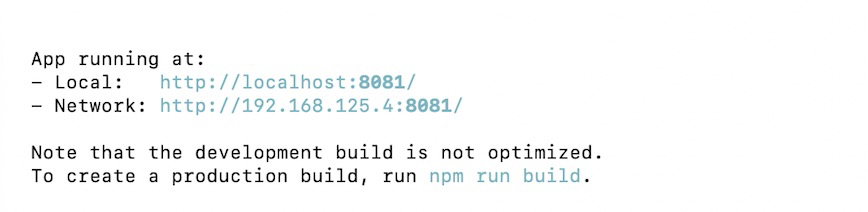
image.png

图3-2-2-4 前端启动成功提示

  1. 使用 http://127.0.0.1:8081/login 进行访问,并用admin账号登陆,默认密码为admin
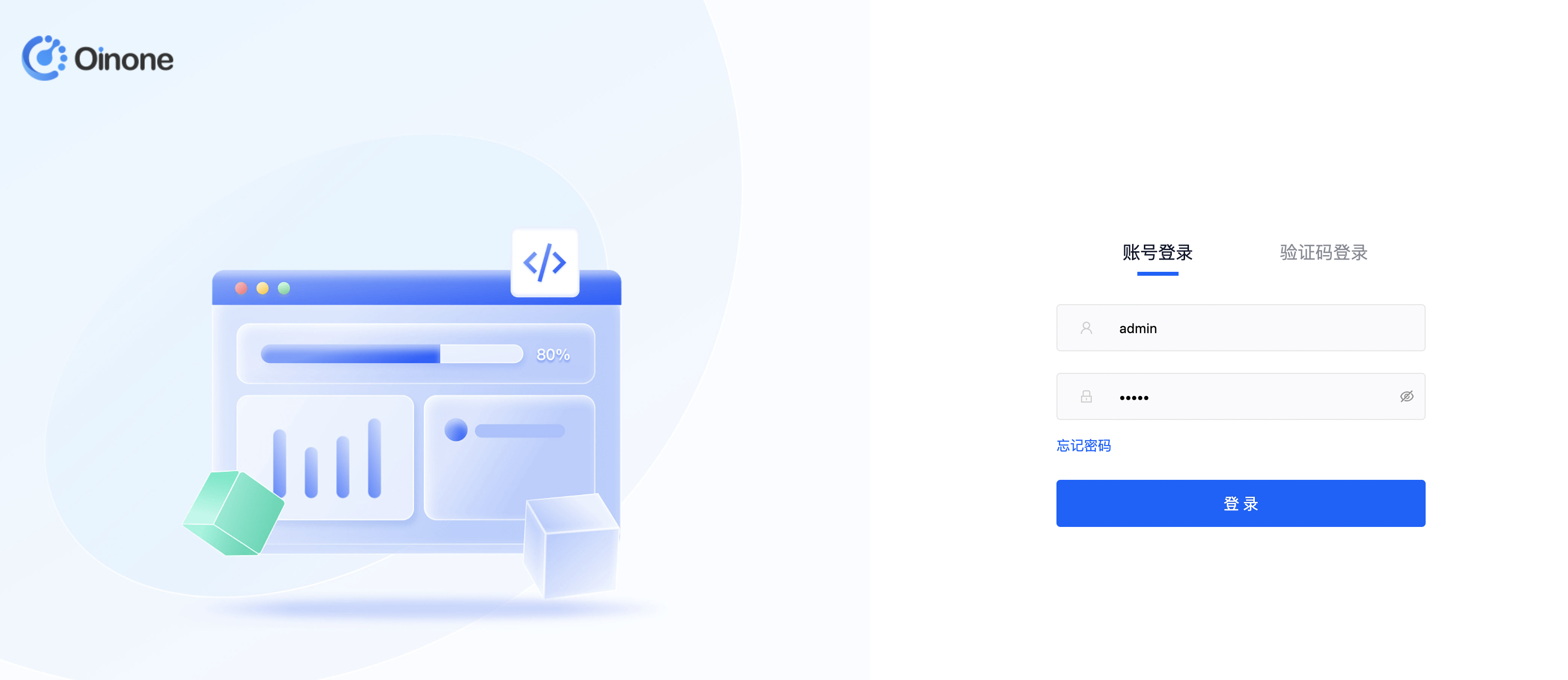
image.png

图3-2-2-5 系统登陆页面

  1. 点击左上角进行应用切换,会进入App Finder页面,可以看到所有已经安装的应用,可以对照boot的yml配置文件看。但细心的小伙伴应该注意到了,在App Finder页面出现的应用跟我们启动工程yml配置文件中加载的启动模块数不是一一对应的,同时也没有看到我们demo模块。
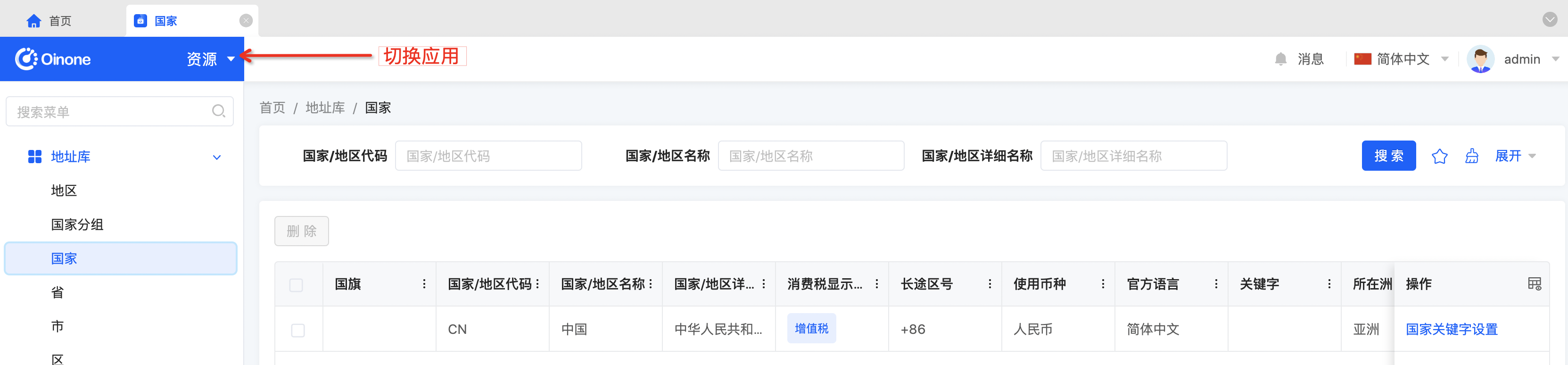
image.png

image.png

图3-2-2-6 已安装应用界面

boot工作的yml文件中加载模块 App Finder的应用 说明
- base- common- sequence- expression 模块的application = false,为非应用类的模块
- resource - user - auth - business- message - apps- my_center(show=INACTIVE )- sys_setting (show=INACTIVE ) 模块的application = true,为应用类的模块但show=INACTIVE 的则不展示,通过以下方式定义:@Module(show = ActiveEnum.INACTIVE)
- demo_core 刚建的oinoneDemo工程,默认为false
设计器:无 设计器:无 因为boot中没有加载设计器模块,所以App Finder中的设计器tab选项卡下没有应用

表3-2-2-1 boot工作的yml文件中加载模块及App Finder应用说明

  1. 只需要修改oinoneDemo工程的模块定义如下图,那么就可以在App Finder页面看见“oinoneDemo工程”。
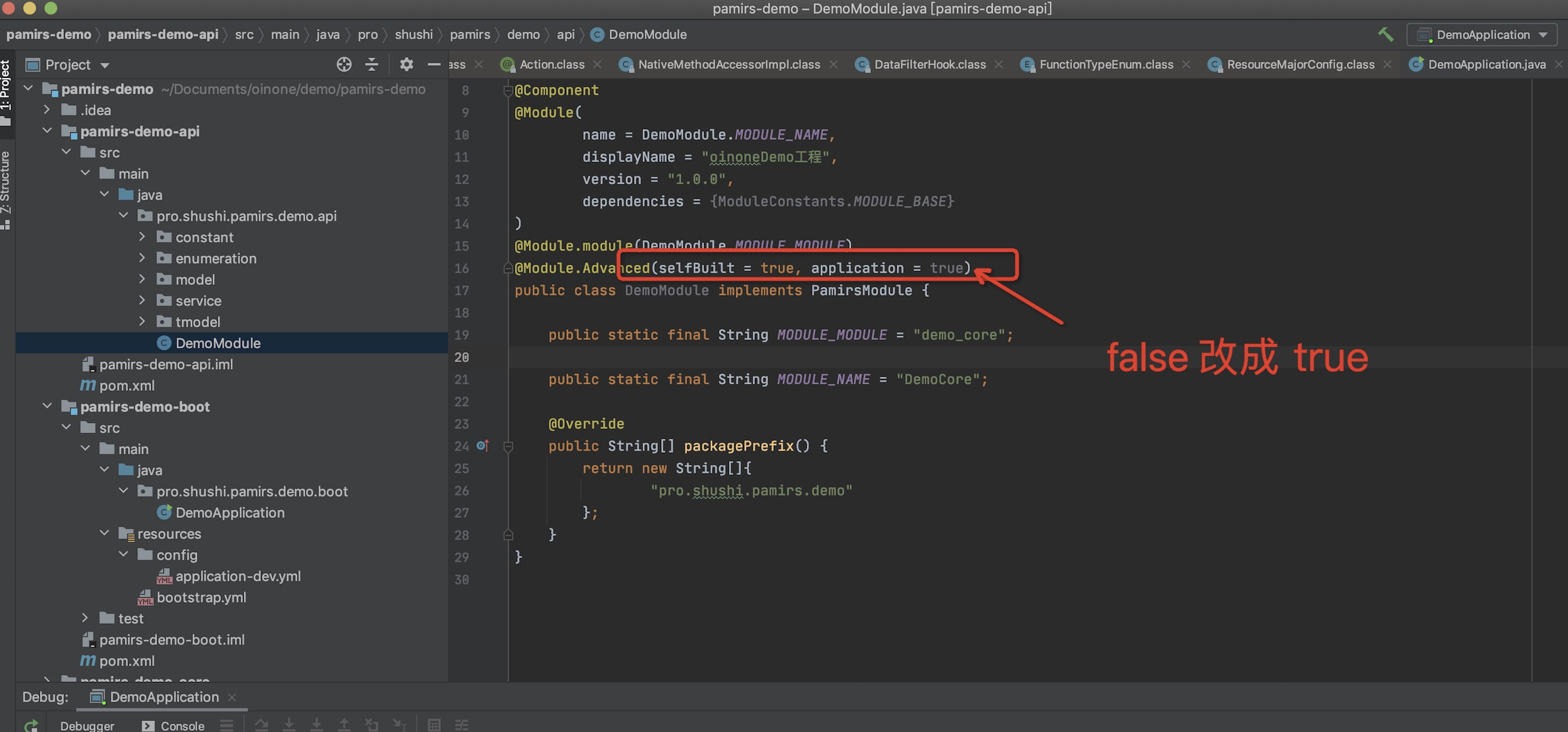
image.png

图3-2-2-7 修改模块的application属性为true

image.png

图3-2-2-8 在App Finder 页面即可看见“OinoneDemo工程”

目前oinone的Demo模块还是一个全空的模块,所以我们点击后会进入一个空白页面。在后续的学习过程中我们会不断完善该模块。

至此恭喜您,前端工程已经启动完成。

三、前端工程结构介绍

├── public 发布用的目录,index.html入口文件将在这里
│ 
├── src 源代码
│ ├── action 扩展动作的目录
│ ├── field 模型字段对应控件目录
│ ├── layout 布局控件目录
│ ├── mask 母版控件目录
│ ├── view 自定义视图目录 
│ └── main.ts 应用入口文件 这里会注册providers/application.ts
│ └── theme.ts 定义主题文件
├── .env.example 启动的环境变量,后端api的请求地址在这里
├── package.json 包描述文件
├── tsconfig.json ts配置文件,可配置语法校验
└── vue.config.js vue的配置文件,里面可以配置webpack参数和开发模式的后端api请求地址

Oinone社区 作者:史, 昂原创文章,如若转载,请注明出处:https://doc.oinone.top/oio4/9229.html

访问Oinone官网:https://www.oinone.top获取数式Oinone低代码应用平台体验

(0)
史, 昂的头像史, 昂数式管理员
上一篇 2024年5月23日 am9:53
下一篇 2024年5月23日 am9:55

相关推荐

  • 3.5.1 构建第一个Menu

    在前面章节中我们也涉及到菜单,因为菜单我们模块就是地图、导航,没有地图、导航就无法畅游模块并进行相关业务操作。在3.3.4【模块的继承】一文关于多表继承的内容就有涉及到菜单的初始化,本文将展开介绍初始化Menu的两种方式分别是:注解式、数据初始化式。 注解式(举例) Step1 分析现有菜单注解 用@UxMenus声明DemoMenus为菜单初始化入口,同时该类在DemoModule配置扫描路径中,那么通过DemoMenus初始化的菜单都挂在demo_core这个模块上。 如果采用这种模式,建议同一个模块的菜单都只配置在一处 package pro.shushi.pamirs.demo.core.init; import pro.shushi.pamirs.boot.base.constants.ViewActionConstants; import pro.shushi.pamirs.boot.base.ux.annotation.action.UxRoute; import pro.shushi.pamirs.boot.base.ux.annotation.navigator.UxMenu; import pro.shushi.pamirs.boot.base.ux.annotation.navigator.UxMenus; import pro.shushi.pamirs.demo.api.model.*; import pro.shushi.pamirs.demo.api.proxy.PetShopProxy; import pro.shushi.pamirs.demo.api.proxy.PetShopProxyA; import pro.shushi.pamirs.demo.api.proxy.PetShopProxyB; @UxMenus public class DemoMenus implements ViewActionConstants { @UxMenu("商店管理")@UxRoute(PetShopProxy.MODEL_MODEL) class PetShopProxyMenu{} @UxMenu("商店管理A")@UxRoute(PetShopProxyA.MODEL_MODEL) class PetShopProxyAMenu{} @UxMenu("商店管理B")@UxRoute(PetShopProxyB.MODEL_MODEL) class PetShopProxyBMenu{} @UxMenu("商品管理")@UxRoute(PetItem.MODEL_MODEL) class ItemMenu{} @UxMenu("宠狗商品")@UxRoute(PetDogItem.MODEL_MODEL) class DogItemMenu{} @UxMenu("萌猫商品")@UxRoute(PetCatItem.MODEL_MODEL) class CatItemMenu{} @UxMenu("宠物品种")@UxRoute(PetType.MODEL_MODEL) class PetTypeMenu{} @UxMenu("萌猫品种")@UxRoute(PetCatType.MODEL_MODEL) class CatTypeMenu{} @UxMenu("宠狗品种")@UxRoute(PetDogType.MODEL_MODEL) class DogTypeMenu{} @UxMenu("宠物达人")@UxRoute(PetTalent.MODEL_MODEL) class PetTalentMenu{} } 图3-5-1-1 菜单注解 Step2 改造现有菜单注解 菜单的层级关系通过@UxMenu的嵌套进行描述 菜单点击效果有三种分别对应不同的Action的类型,关于Action的类型详见3.5.3【Action的类型】一文。 通过@UxRoute定义一个与菜单绑定的viewAction,@UxMenu("创建商店")@UxRoute(value = PetShop.MODEL_MODEL,viewName = "redirectCreatePage",viewType = ViewTypeEnum.FORM),其中viewName代表视图的name(其默认值为redirectListPage,也就是跳转到列表也),value代码视图所属模型的编码,viewType代表view类型(其默认值为ViewTypeEnum.TABLE) @UxServer定义一个与菜单绑定的serverAction,@UxMenu("UxServer")@UxServer(model = PetCatItem.MODEL_MODEL,name = "uxServer") ,其中name代表serverAction的name,model或value代码serverAction所属模型的编码 @UxLink定义一个与菜单绑定的UrlAction,@UxMenu("Oinone官网")@UxLink(value = "http://www.oinone.top”,openType= ActionTargetEnum.OPEN_WINDOW) ,其中value为跳转url,openType为打开方式默认为ActionTargetEnum.ROUTER,打开方式有以下几种 ROUTER("router", "页面路由", "页面路由") DIALOG("dialog", "页面弹窗", "页面弹窗") DRAWER("drawer", "打开抽屉", "打开抽屉") OPEN_WINDOW("openWindow", "打开新窗口", "打开新窗口") 配合菜单演示,PetCatItemAction增加一个uxServer的ServerAction package pro.shushi.pamirs.demo.core.action; ……包引用 @Model.model(PetCatItem.MODEL_MODEL) @Component public class PetCatItemAction extends DataStatusBehavior<PetCatItem> { ……省略其他代码 @Action(displayName = "uxServer") public PetCatItem uxServer(PetCatItem data){ PamirsSession.getMessageHub().info("uxServer"); return data; } } 图3-5-1-2 示例代码 新的菜单初始化代码如下 package pro.shushi.pamirs.demo.core.init; import pro.shushi.pamirs.boot.base.constants.ViewActionConstants; import pro.shushi.pamirs.boot.base.enmu.ActionTargetEnum; import pro.shushi.pamirs.boot.base.ux.annotation.action.UxLink; import pro.shushi.pamirs.boot.base.ux.annotation.action.UxRoute; import pro.shushi.pamirs.boot.base.ux.annotation.action.UxServer; import pro.shushi.pamirs.boot.base.ux.annotation.navigator.UxMenu; import pro.shushi.pamirs.boot.base.ux.annotation.navigator.UxMenus; import pro.shushi.pamirs.demo.api.model.*; import pro.shushi.pamirs.demo.api.proxy.PetShopProxy; import pro.shushi.pamirs.demo.api.proxy.PetShopProxyA; import pro.shushi.pamirs.demo.api.proxy.PetShopProxyB; import pro.shushi.pamirs.meta.enmu.ViewTypeEnum; @UxMenus public class DemoMenus implements ViewActionConstants { @UxMenu("商店") class ShopMenu{ @UxMenu("UxServer")@UxServer(model = PetCatItem.MODEL_MODEL,name = "uxServer") class ShopSayHelloMenu{ } @UxMenu("创建商店")@UxRoute(value = PetShop.MODEL_MODEL,viewName = "redirectCreatePage",viewType = ViewTypeEnum.FORM) class ShopCreateMenu{ }…

    2024年5月23日
    1.4K00
  • 4.1.15 框架之网关协议

    一、多端协议 协议内容格式 请求头 头信息 headerMap "sec-fetch-mode" -> "cors" "content-length" -> "482" "sec-fetch-site" -> "none" "accept-language" -> "zh-CN,zh;q=0.9" "cookie" -> "pamirs_uc_session_id=241af6a1dbba41a4b35afc96ddf15915" "origin" -> "chrome-extension://flnheeellpciglgpaodhkhmapeljopja" "accept" -> "application/json" "host" -> "127.0.0.1:8090" "connection" -> "keep-alive" "content-type" -> "application/json" "accept-encoding" -> "gzip, deflate, br" "user-agent" -> "Mozilla/5.0 (Macintosh; Intel Mac OS X 10_15_7) AppleWebKit/537.36 (KHTML, like Gecko) Chrome/88.0.4324.192 Safari/537.36" "sec-fetch-dest" -> "empty" 图4-1-15-1 头信息 headerMap 请求地址 requestUrl 例如 http://127.0.0.1:8090/pamirs/DemoCore?scene=redirectListPage HTTP参数键值对 parameterMap url中queryString在服务端最终会转化为参数键值对。 请求体格式 请求体格式采用GraphQL协议。请求体格式分为API请求和上下文变量。以商品的test接口为例,请求格式如下。 API请求格式 query{ petShopProxyQuery { queryPage(page: {currentPage: 1, size: 1}, queryWrapper: {rsql: "(1==1)"}) { content { income id code creater { id nickname } relatedShopName shopName petTalents { id name } items { id itemName } } size totalPages totalElements } } } 图4-1-15-2 API请求格式 上下文变量 variables 请求策略requestStrategy 名称 类型 说明 checkStrategy CheckStrategyEnum 校验策略:RETURN_WHEN_COMPLETED -?全部校验完成再返回结果RETURN_WHEN_ERROR -?校验错误即返回结果 msgLevel InformationLevelEnum 消息级别:DEBUG("debug", "调试", "调试"),INFO("info", "信息", "信息"),WARN("warn", "警告", "警告"),SUCCESS("success", "成功", "成功"),ERROR("error", "错误", "错误")不设置,则只返回错误消息;上方消息级别清单,越往下级别越高。只有消息的级别高于或等于该设定级别才返回,否则会被过滤。 onlyValidate Boolean 只校验不提交数据 表4-1-15-1 请求策略requestStrategy 上下文变量式例如下。 { "requestStrategy": { "checkStrategy": "RETURN_WHEN_COMPLETED", "msgLevel":"INFO" } } 图4-1-15-3 上下文变量式例 响应体格式 协议响应内容包括data、extensions和errors三部分,extensions和errors是可缺省的。data部分为业务数据返回值。应用业务层可以在extensions中添加API返回值之外的扩展信息。extensions中包含success、messages和extra三部分,success标识请求是否成功。如果业务正确处理并返回,则errors部分为空;如果业务处理返回失败,则将错误信息添加到errors中。 正确响应格式示例如下。 { "data": { "petShopProxyQuery": { "queryPage": { "content": [ { "id": "246675081504233477", "creater": { "id": "10001" }, "relatedShopName": "oinone宠物店铺001", "shopName": "oinone宠物店铺001", "petTalents": […

    Oinone 7天入门到精通 2024年5月23日
    1.1K00
  • 6.3 数据审计(改)

    在业务应用中我们经常需要为一些核心数据的变更做审计追踪,记录字段的前后变化、操作IP、操作人、操作地址等等。数据审计模块为此提供了支撑和统一管理。它在成熟的企业的核心业务系统中,需求是比较旺盛的。接下来我们开始学习下数据审计模块 准备工作 pamirs-demo-core的pom文件中引入pamirs-data-audit-api包依赖 <dependency> <groupId>pro.shushi.pamirs.core</groupId> <artifactId>pamirs-data-audit-api</artifactId> </dependency> pamirs-demo-boot的pom文件中引入pamirs-data-audit-core和pamirs-third-party-map-core包依赖,数据审计会记录操作人的地址信息,所以也依赖了pamirs-third-party-map-core <dependency> <groupId>pro.shushi.pamirs.core</groupId> <artifactId>pamirs-data-audit-core</artifactId> </dependency> <dependency> <groupId>pro.shushi.pamirs.core.map</groupId> <artifactId>pamirs-third-party-map-core</artifactId> </dependency> pamirs-demo-boot的application-dev.yml文件中增加配置pamirs.boot.modules增加data_audit 和third_party_map,即在启动模块中增加data_audit和third_party_map模块 pamirs: boot: modules: – data_audit – tp_map 为third_party_map模块增加高德接口api,下面e439dda234467b07709f28b57f0a9bd5换成自己的key pamirs: eip: map: gd: key: e439dda234467b07709f28b57f0a9bd5 数据审计 注解式(举例) Step1 新增PetTalentDataAudit数据审计定义类 package pro.shushi.pamirs.demo.core.init.audit; import pro.shushi.pamirs.data.audit.api.annotation.DataAudit; import pro.shushi.pamirs.demo.api.model.PetTalent; @DataAudit( model = PetTalent.MODEL_MODEL,//需要审计的模型 modelName = "宠物达人" ,//模型名称,默认模型对应的displayName //操作名称 optTypes = {PetTalentDataAudit.PETTALENT_CREATE,PetTalentDataAudit.PETTALENT_UDPATE}, fields={"nick","picList.id","picList.url","petShops.id","petShops.shopName"}//需要审计的字段,关系字段用"."连结 ) public class PetTalentDataAudit { public static final String PETTALENT_CREATE ="宠物达人创建"; public static final String PETTALENT_UDPATE ="宠物达人修改"; Step2 修改PetTalentAction的update方法 做审计日志埋点:手工调用 OperationLogBuilder.newInstance().record()方法。需要注意的是这里需要把原有记录的数据值先查出来做对比 @Function.Advanced(type= FunctionTypeEnum.UPDATE) @Function.fun(FunctionConstants.update) @Function(openLevel = {FunctionOpenEnum.API}) public PetTalent update(PetTalent data){ //记录日志 OperationLogBuilder.newInstance(PetTalent.MODEL_MODEL, PetTalentDataAudit.PETTALENT_UDPATE).record(data.queryById().fieldQuery(PetTalent::getPicList).fieldQuery(PetTalent::getPetShops),data); PetTalent existPetTalent = new PetTalent().queryById(data.getId()); if(existPetTalent !=null){ existPetTalent.fieldQuery(PetTalent::getPicList); existPetTalent.fieldQuery(PetTalent::getPetShops); existPetTalent.relationDelete(PetTalent::getPicList); existPetTalent.relationDelete(PetTalent::getPetShops); } data.updateById(); data.fieldSave(PetTalent::getPicList); data.fieldSave(PetTalent::getPetShops); return data; } Step3 重启看效果 修改宠物达人记录对应的字段,然后进入审计模块查看日志

    2024年5月23日
    1.1K00
  • 3.3 Oinone以模型为驱动

    模型(model):Oinone一切从模型出发,是数据及对行为的载体: 是对所需要描述的实体进行必要的简化,并用适当的变现形式或规则把它的主要特征描述出来所得到的系统模仿品。模型由元信息、字段、数据管理器和自定义函数构成; 符合面向对象设计原则包括:封装、继承、多态。 本章会带大家快速而全方位地认识Oinone的模型。会从以下几个维度去对模型展开详细介绍。 构建第一个Model 模型的类型 模型的数据管理器 模型的继承 模型编码生成器 枚举与数据字典 字段序列化方式 字段类型之基础与复合 字段类型之关系与引用

    Oinone 7天入门到精通 2024年5月23日
    1.4K00
  • 4.2.6 框架之网络请求-拦截器

    在整个http的链路中,异常错误对前端来说尤为重要,他作用在很多不同的场景,通用的比如500, 502等; 一个好的软件通常需要在不同的错误场景中做不同的事情。当用户cookie失效时,希望能自动跳转到登录页;当用户权限发生变更时,希望能跳转到一个友好的提示页;那么如何满足这些个性化的诉求呢?接下来让我们一起了解oinone前端网络请求-拦截器。 一、入口 在src目录下main.ts中可以看到VueOioProvider,这是系统功能提供者的注册入口 图4-2-6-1 VueOioProvider import interceptor from './middleware/network-interceptor'; VueOioProvider( { http: { callback: interceptor } }, [] ); 图4-2-6-2 拦截器的申明入口 二、middleware 在项目初始化时使用CLI构建初始化前端工程,在src/middleware有拦截器的默认实现: 图4-2-6-3 在src/middleware有拦截器的默认实现 三、interceptor interceptor在请求返回后触发,interceptor有两个回调函数,error和next error参数 graphQLErrors 处理业务异常 networkError 处理网络异常 next extensions 后端返回扩展参数 const interceptor: RequestHandler = (operation, forward) => { return forward(operation).subscribe({ error: ({ graphQLErrors, networkError }) => { console.log(graphQLErrors, networkError); // 默认实现 => interceptor error }, next: ({ extensions }) => { console.log(extensions); // 默认实现 => interceptor next }, }); }; 图4-2-6-4 后端返回扩展参数 四、interceptor error // 定义错误提示等级 const DEFAULT_MESSAGE_LEVEL = ILevel.ERROR; // 错误提示等级 对应提示的报错 const MESSAGE_LEVEL_MAP = { [ILevel.ERROR]: [ILevel.ERROR], [ILevel.WARN]: [ILevel.ERROR, ILevel.WARN], [ILevel.INFO]: [ILevel.ERROR, ILevel.WARN, ILevel.INFO], [ILevel.SUCCESS]: [ILevel.ERROR, ILevel.WARN, ILevel.INFO, ILevel.SUCCESS], [ILevel.DEBUG]: [ILevel.ERROR, ILevel.WARN, ILevel.INFO, ILevel.SUCCESS, ILevel.DEBUG] }; // 错误提示通用函数 const notificationMsg = (type: string = 'error', tip: string = '错误', desc: string = '') => { notification[type]({ message: tip, description: desc }); }; // 根据错误等级 返回错误提示和类型 const getMsgInfoByLevel = (level: ILevel) => { let notificationType = 'info'; let notificationText = translate('kunlun.common.info'); switch (level) { case ILevel.DEBUG: notificationType = 'info'; notificationText = translate('kunlun.common.debug'); break; case ILevel.INFO: notificationType = 'info'; notificationText = translate('kunlun.common.info'); break;…

    2024年5月23日
    1.2K00

Leave a Reply

登录后才能评论