3.5.6.2 视图的配置

,视图的大致配置在3.5.2.2【构建View的Template】一文中已经介绍过,这里主要介绍视图层的基本属性配置,这些配置会透传给视图内的组件Widget,组件会根据配置内容做出不同的呈现样式

视图的配置

Table的配置

配置项 可选值 默认值 作用
activeCount number 5 表格上方动作区默认展示操作的数量,超过个数的操作将被折叠收起
inlineActiveCount number 3 表格最右侧操作列默认展示操作的数量,超过个数的操作将被折叠收起
defaultPageSize number 30 表格默认分页条数

表3-5-6-9 Table的配置

Form/Detail的配置

配置项 可选值 默认值 作用
direction horizontal/vertical(大小写不明感) vertical 表单标题排列方式

表3-5-6-10 Form/Detail的配置

Table的配置项举例

Step1 修改宠物达人的表格视图

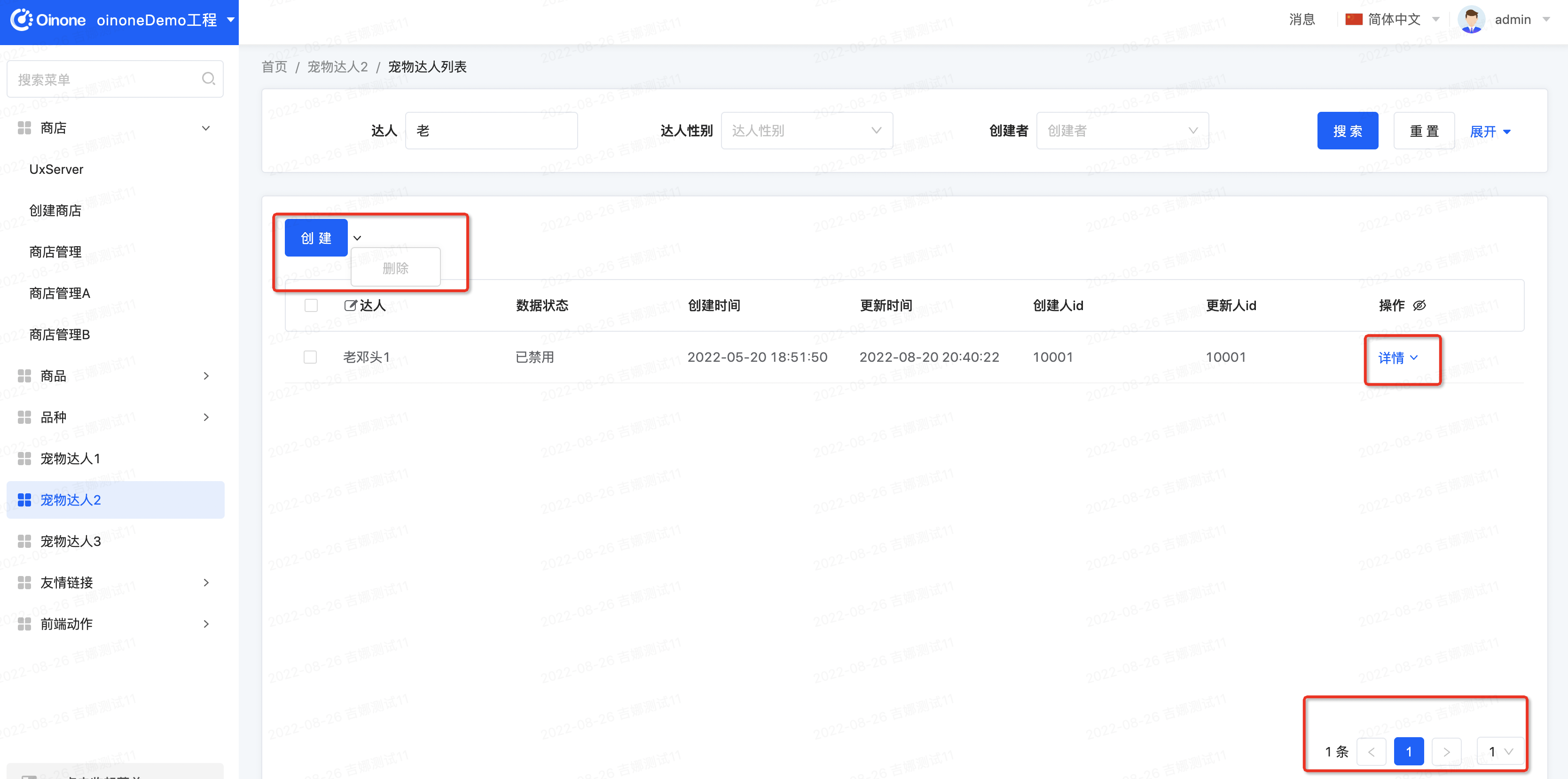
我们在宠物达人的自定义表格视图的Template文件中增加三个属性配置activeCount="1" 、inlineActiveCount="1"、 defaultPageSize="1"


<view name=tableView model=demo.PetTalent cols=1 activeCount=1 inlineActiveCount=1 defaultPageSize=1 type=TABLE enableSequence=true >
</view>

图3-5-6-15 在宠物达人的自定义表格视图的Template文件中增加三个属性配置

Step2 重启看效果

3.5.6.2 视图的配置

图3-5-6-16 示例效果

Form的配置举例

Step1 修改宠物达人的表单视图

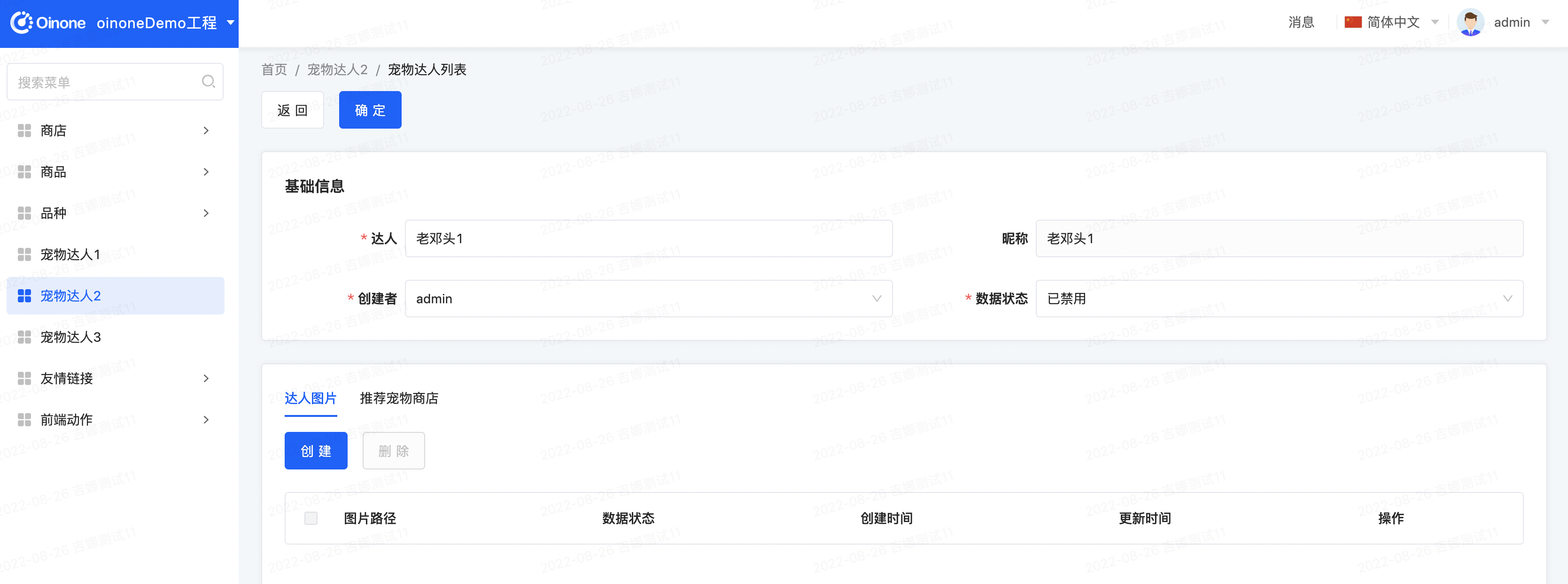
我们在宠物达人的自定义表格视图的Template文件中增加一个属性配置direction = horizontal 。 另:宠物达人在之前的教程中增加了一些字段,大家利用默认视图把新增字段也展示出来。还是通过数据库查看默认页面定义,找到base_view表,过滤条件设置为model =\'demo.PetTalent\' and name =\'formView\',查看template字段,把里面涉及新增字段复制到pet_talent_form.xml文件中。

<view name=formView1 model=demo.PetTalent cols=2 type=FORM priority=1 direction = horizontal>
</view>

图3-5-6-17 增加一个属性配置direction = "horizontal"

Step2 重启看效果

3.5.6.2 视图的配置

图3-5-6-18 示例效果

Oinone社区 作者:史, 昂原创文章,如若转载,请注明出处:https://doc.oinone.top/oio4/9261.html

访问Oinone官网:https://www.oinone.top获取数式Oinone低代码应用平台体验

(0)
史, 昂的头像史, 昂数式管理员
上一篇 2024年5月23日 am9:17
下一篇 2024年5月23日 am9:19

相关推荐

  • 3.4.3.3 SPI机制-扩展点

    扩展点结合拦截器的设计,oinone可以点、线、面一体化管理Function 扩展点用于扩展函数逻辑。扩展点类似于SPI机制(Service Provider Interface),是一种服务发现机制。这一机制为函数逻辑的扩展提供了可能。 一、构建第一个扩展点 自定义扩展点(举例) 在我们日常开发中,随着对业务理解的深入,往往还在一些逻辑中会预留扩展点,以便日后应对不同需求时可以灵活替换某一小块逻辑。 在3.3.4【模型的继承】一文中的PetCatItemQueryService,是独立新增函数只作公共逻辑单元。现在我们给它的实现类增加一个扩展点。在PetCatItemQueryServiceImpl的queryPage方法中原本会先查询PetCatType列表,我们这里假设这个逻辑随着业务发展未来会发生变化,我们可以预先预留【查询萌猫类型扩展点】 Step1 新增扩展点定义PetCatItemQueryCatTypeExtpoint 扩展点命名空间:在接口上用@Ext声明扩展点命名空间。会优先在本类查找@Ext,若为空则往接口向上做遍历查找,返回第一个查找到的@Ext.value注解值,使用该值再获取函数的命名空间;如果未找到,则返回扩展点全限定类名。所以我们这里扩展点命名空间为:pro.shushi.pamirs.demo.api.extpoint.PetCatItemQueryCatTypeExtpoint 扩展点技术名称:先取@ExtPoint.name,若为空则取扩展点接口方法名。所以我们这里技术名为queryCatType package pro.shushi.pamirs.demo.api.extpoint; import pro.shushi.pamirs.demo.api.model.PetCatType; import pro.shushi.pamirs.meta.annotation.Ext; import pro.shushi.pamirs.meta.annotation.ExtPoint; import java.util.List; @Ext public interface PetCatItemQueryCatTypeExtpoint { @ExtPoint(displayName = "查询萌猫类型扩展点") List<PetCatType> queryCatType(); } 图3-4-3-11 新增扩展点定义PetCatItemQueryCatTypeExtpoint Step2 修改PetCatItemQueryServiceImpl(用Ext.run模式调用) 修改queryPage,增加扩展点的使用代码。扩展点的使用有两种方式 方法一,使用命名空间和扩展点名称调用Ext.run(namespace, fun, 参数); 方法二,使用函数式接口调用Ext.run(函数式接口, 参数); 我们这里用了第二种方式 用PetCatItemQueryCatTypeExtpoint的全限定类名作为扩展点的命名空间(namespace) 用queryCatType的方法名作为扩展点的技术名称(name) 根据namespace+name去找到匹配扩展点实现,并根据规则是否匹配,以及优先级唯一确定一个扩展点实现去执行逻辑 package pro.shushi.pamirs.demo.core.service; ……省略依赖包 @Model.model(PetCatItem.MODEL_MODEL) @Component public class PetCatItemAction extends DataStatusBehavior<PetCatItem> { @Override protected PetCatItem fetchData(PetCatItem data) { return data.queryById(); } @Action(displayName = "启用") public PetCatItem dataStatusEnable(PetCatItem data){ data = super.dataStatusEnable(data); data.updateById(); return data; } @Function.Advanced(displayName = "查询模型数据的默认过滤条件", type = FunctionTypeEnum.QUERY, managed = true) @Function(openLevel = {LOCAL}) public String queryFilters() { StringBuilder sqlWhereCondition = new StringBuilder(); // List<PetCatType> typeList = new PetCatType().queryList(); List<PetCatType> typeList = Ext.run(PetCatItemQueryCatTypeExtpoint::queryCatType, new Object[]{}); if(!CollectionUtils.isEmpty(typeList)){ // sqlWhereCondition.append("type_id"); sqlWhereCondition.append(PStringUtils.fieldName2Column(LambdaUtil.fetchFieldName(PetCatItem::getTypeId))); sqlWhereCondition.append(StringUtils.SPACE).append(SqlConstants.IN).append(CharacterConstants.LEFT_BRACKET); for(PetCatType petCatType: typeList){ sqlWhereCondition.append(petCatType.getId()).append(CharacterConstants.SEPARATOR_COMMA); } sqlWhereCondition.deleteCharAt(sqlWhereCondition.lastIndexOf(CharacterConstants.SEPARATOR_COMMA)); sqlWhereCondition.append(StringUtils.SPACE).append(CharacterConstants.RIGHT_BRACKET); } return sqlWhereCondition.toString(); } ……省略其他函数 } 图3-4-3-12 修改PetCatItemQueryServiceImpl Step3 新增扩展点实现PetCatItemQueryCatTypeExtpointOne 扩展点命名空间要与扩展点定义一致,用@Ext(PetCatItemQueryCatTypeExtpoint.class) @ExtPoint.Implement声明这是在@Ext声明的命名空间下,且技术名为queryCatType的扩展点实现 package pro.shushi.pamirs.demo.core.extpoint; import pro.shushi.pamirs.demo.api.extpoint.PetCatItemQueryCatTypeExtpoint; import pro.shushi.pamirs.demo.api.model.PetCatType; import pro.shushi.pamirs.meta.annotation.Ext; import pro.shushi.pamirs.meta.annotation.ExtPoint; import pro.shushi.pamirs.meta.api.session.PamirsSession; import java.util.List; @Ext(PetCatItemQueryCatTypeExtpoint.class) public class PetCatItemQueryCatTypeExtpointOne implements PetCatItemQueryCatTypeExtpoint { @Override @ExtPoint.Implement(displayName = "查询萌猫类型扩展点的默认实现") public List<PetCatType> queryCatType() { PamirsSession.getMessageHub().info("走的是第一个扩展点"); List<PetCatType> typeList = new PetCatType().queryList(); return typeList; } } 图3-4-3-13 新增扩展点实现PetCatItemQueryCatTypeExtpointOne Step4…

    2024年5月23日
    1.2K00
  • 登录日志

    1. 登录日志 登录日志:记录企业成员/用户登录平台的历史明细,包括登录时间、位置、IP、登录设备、登录平台等信息,登录平台包括:PC Web、小程序、H5、APP。登录日志不需要通过审计规则订阅,平台会记录每位用户的登录日志。 操作支持导出、查看详情。

    2024年6月20日
    94700
  • 6.2 集成平台(改)

    企业在数字化转型过程中内外部集成是一个必然需求、也是趋势 集成的诉求主要来自两个方面:1.企业的数字化改造是由外而内逐步进行的(内部异构集成)、2.企业数字化方向是朝越来越开放的方向发展(外部平台、工具集成)。总的来说企业在数字化转型过程中内外部集成是一个必然需求、也是趋势。所以我们不能简单地去理解做个API对接就结束了,而是要统一规划构建成企业的集成门户对API定义,安全、控制、记录等做全方位管理。oinone在下个版本规则中也纳入了基于集成平台之上做产品化配置的需求 概述 pamirs-eip为平台提供企业集成门户的相关功能,如请求外部接口使用的【集成接口】和对外开放被其他系统请求调用的【开放接口】功能。在请求外部接口时,还支持了多个接口调用(路由定义)、分页控制(paging)、增量控制(incremental)等功能。 准备工作 Step1 POM与模块依赖 pamirs-demo-api 和 pamirs-second-api 的pom文件中引入pamirs-eip2-api包依赖 <dependency> <groupId>pro.shushi.pamirs.core</groupId> <artifactId>pamirs-eip2-api</artifactId> </dependency> DemoModule和SecondModule 增加对EipModule的依赖 @Module(dependencies = {EipModule.MODULE_MODULE}) pamirs-demo-boot和pamirs-second-boot工程的pom文件中引入pamirs-eip2-core包依赖 <dependency> <groupId>pro.shushi.pamirs.core</groupId> <artifactId>pamirs-eip2-core</artifactId> </dependency> Step2 yaml配置文件参考 pamirs-demo-boot和pamirs-second-boot工程的application-dev.yml文件中增加配置pamirs.boot.modules增加eip,即在启动模块中增加eip模块 pamirs: boot: modules: – eip pamirs-demo-boot和pamirs-second-boot工程的application-dev.yml文件中增加eip模块的数据源与路由配置 pamirs: framework: data: ds-map: eip: eip datasource: eip: driverClassName: com.mysql.cj.jdbc.Driver type: com.alibaba.druid.pool.DruidDataSource url: jdbc:mysql://127.0.0.1:3306/eip_v3?useSSL=false&allowPublicKeyRetrieval=true&useServerPrepStmts=true&cachePrepStmts=true&useUnicode=true&characterEncoding=utf8&serverTimezone=Asia/Shanghai&autoReconnect=true&allowMultiQueries=true username: root password: oinone initialSize: 5 maxActive: 200 minIdle: 5 maxWait: 60000 timeBetweenEvictionRunsMillis: 60000 testWhileIdle: true testOnBorrow: false testOnReturn: false poolPreparedStatements: true asyncInit: true pamirs-demo-boot工程的application-dev.yml文件中修改eip的配置 pamirs: eip: open-api: enabled: false pamirs-second-boot工程的application-dev.yml文件中修改eip的配置 pamirs: eip: enabled: true open-api: enabled: true route: host: 127.0.0.1 port: 8094 aes-key: Nj5Thnxz4rV8Yy1FLGA2hUym3RepB8MKgafEaYC4GKo= 注: hosts配置在远程调用时不能使用127.0.0.1,可配置为0.0.0.0进行自动识别。若自动识别仍无法访问,请准确配置其他已知的可访问IP地址。 aes-key:用下面代码生成 附录:AES Key生成 pro.shushi.pamirs.core.common.EncryptHelper加解密帮助类,默认支持AES、RSA类型的数据加解密方法,也可自定义其他类型的加解密方法。 System.out.println(EncryptHelper.getKey(EncryptHelper.getAESKey())); Step3 在pamirs-second-api新建一个SessionTenantApi实现类 只要在我们公共的jar包中构建类似DemoSessionTenant类就可以了,之所以要构建SessionTenantApi实现类是因为EIP是以租户信息做路由的。所以这里我们写死返回一个“pamirs”租户就好了。 记得要重新mvn install second工程,再刷新demo工程 package pro.shushi.pamirs.second.api.tenant; import org.springframework.core.annotation.Order; import org.springframework.stereotype.Component; import pro.shushi.pamirs.framework.session.tenant.api.SessionTenantApi; import pro.shushi.pamirs.meta.api.core.session.SessionClearApi; import pro.shushi.pamirs.meta.common.spi.SPI; @Order(99) @Component @SPI.Service public class DemoSessionTenant implements SessionTenantApi, SessionClearApi { public String getTenant() { return "pamirs"; } public void setTenant(String tenant) { } public void clear() { } } 开放接口(举例) Step1 用于演示的模型定义 package pro.shushi.pamirs.second.api.model; import pro.shushi.pamirs.meta.annotation.Field; import pro.shushi.pamirs.meta.annotation.Model; import pro.shushi.pamirs.meta.base.IdModel; @Model.model(TestOpenApiModel.MODEL_MODEL) @Model(displayName = "演示开放接口模型") public class TestOpenApiModel extends IdModel { public static final String MODEL_MODEL = "demo.second.TestOpenApiModel"; @Field.String @Field(displayName = "名称") private…

    2024年5月23日
    1.3K00

Leave a Reply

登录后才能评论